
Key Takeaways
- Modern cold-climate heat pumps are engineered to keep working in temperatures well below freezing, making them a realistic heating option for Quad City area winters
- Many cold-climate models keep producing heat down to around -13°F to -22°F, with only a partial drop in capacity
- At moderate winter temperatures, a heat pump can move roughly three times more heat energy than the electricity it uses, which translates into lower utility bills
- Pairing a heat pump with a backup furnace in a dual-fuel setup answers the question of what happens on the coldest days of the year
Winter in the Quad Cities doesn’t play around.
Between icy mornings and stretches of sub-freezing air, it makes sense that homeowners wonder whether a heat pump can actually keep a house warm here, or whether it’s better suited to milder climates. The short answer is yes, and the reasons why come down to engineering, not luck.
Yes, Heat Pumps Handle Cold Winters
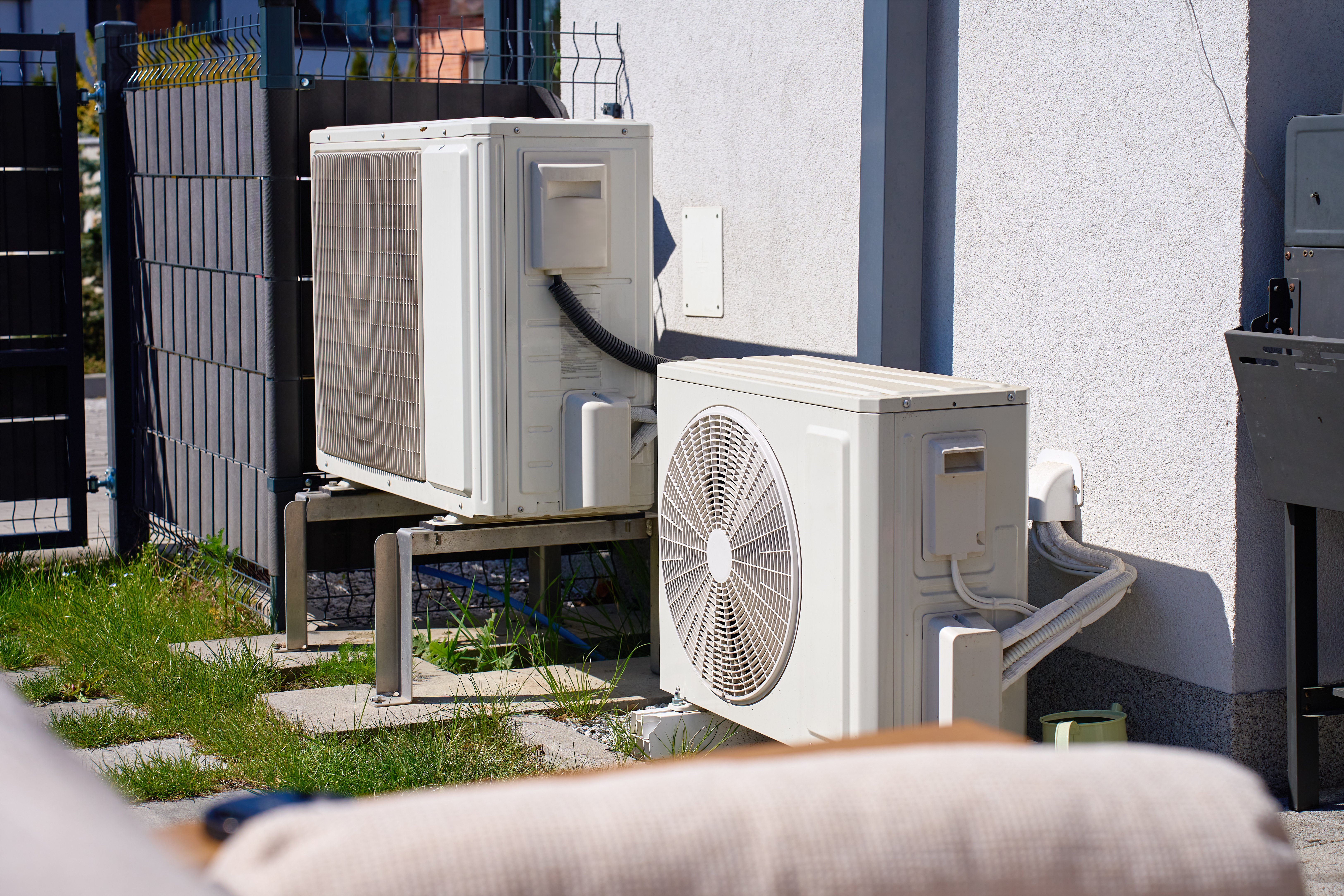
Heat pumps work by moving heat rather than creating it, pulling warmth from the outside air and concentrating it inside the home even when that air feels frigid. This might sound like a stretch on a day when the thermometer reads well below freezing, but the refrigerant inside a heat pump is built to extract and amplify heat energy even in very cold outdoor air. That process is what allows a heat pump to keep a living room comfortable while snow piles up outside.
But can a heat pump really replace a furnace once temperatures drop into the single digits? The answer depends on the equipment, the home, and how the system gets installed, all topics worth unpacking before making a decision. Understanding where heat pumps excel and where they need a little backup makes it much easier to choose the right setup for a Midwest winter.
Heat pumps distribute warmth evenly across a home instead of blasting heat from a single vent and letting other rooms go cold. That even distribution, combined with year-round cooling ability, is one reason more Quad City homeowners are giving heat pumps a serious look instead of automatically defaulting to a gas furnace.
How Cold Is Too Cold?
Every mechanical system has limits, and heat pumps are no exception. The real question is not whether cold weather affects a heat pump, but how much, and at what temperature performance starts to matter for daily comfort.
Operating From -13°F to -22°F, With Reduced Capacity
Older heat pump models used to struggle once outdoor temperatures dropped into the 30s, losing meaningful heating power well before winter got serious. Newer cold-climate models tell a different story. Many current units keep producing usable heat down to roughly -13°F, and some engineered specifically for extreme cold operate as low as -22°F. Performance does taper off in that range, with some models losing around 30 percent of their capacity at the coldest end, but that is a far cry from shutting down completely. The Department of Energy has tested units performing in sub-zero conditions, further confirming that today’s equipment is not the same technology homeowners may remember from decades past.
The Technology Behind Cold-Weather Performance
None of this cold-weather capability happens by accident. A few specific engineering advances explain why today’s heat pumps handle winter so differently than earlier generations.
Variable-Speed Compressors and Fans
Variable-speed compressors and fans give modern heat pumps the flexibility to ramp output up or down based on real-time conditions instead of running at a single fixed speed. That adjustability lets the system work harder and pull more heat from the outdoor air exactly when the temperature drops, rather than straining against a one-speed motor that was never designed for extremes. The result is steadier indoor temperatures and less strain on the equipment during long cold snaps.
Lessons From Norway, Finland, and Sweden
Skeptics sometimes assume heat pumps are a warm-climate technology that got pushed into cold regions before they were ready. The opposite is closer to the truth. Countries like Norway, Finland, and Sweden, which deal with genuinely brutal winters, rely on heat pumps to heat roughly half of their homes. That kind of widespread adoption in some of the coldest inhabited parts of the world says a lot about how far the technology has come, and it gives useful context for anyone in the Quad Cities wondering if the same equipment can handle a local winter.
Efficiency and Year-Round Savings
Cold-weather performance is only part of the story. Efficiency is where heat pumps tend to win homeowners over for the long haul, especially once utility bills come into the picture.
Three Times More Heat at Moderate Temperatures
At moderate winter temperatures, a heat pump can deliver up to three times more heat energy than the electrical energy it consumes, according to the U.S. Department of Energy. Quality cold-climate models maintain a coefficient of performance between roughly 2.2 and 2.8 even at 5°F, meaning they’re still producing close to three units of heat for every unit of electricity used, well into genuinely cold conditions. That kind of efficiency is difficult for a combustion-based furnace to match, since a furnace can only convert fuel into heat rather than moving existing heat energy around.
One System for Heating and Cooling
A heat pump handles both sides of the comfort equation. In winter it pulls heat from outside air and moves it indoors; in summer it reverses the cycle, pulling heat out of the house to keep things cool. That dual role means one piece of equipment replaces what would otherwise require a separate furnace and air conditioner, simplifying maintenance and often reducing the total footprint of mechanical equipment in a home. Fewer systems generally means fewer things that can break down and fewer maintenance visits to schedule throughout the year.
Getting the Most From Your System
A heat pump only performs to the level of its installation. Even the best-engineered unit will underdeliver if it is mismatched to the home or set up incorrectly, which makes the next two factors worth taking seriously.
Proper Sizing and Professional Installation
Sizing matters more with a heat pump than with many other HVAC systems. A unit that is too small will struggle to keep up on the coldest days, while an oversized unit can cycle inefficiently and wear out faster than expected. Professional installation also affects how well the ductwork, refrigerant lines, and thermostat settings work together, all of which shape real-world performance. Clean air filters, unobstructed vents, and solid home insulation round out the list of factors that keep a heat pump running efficiently through a full winter.
Dual-Fuel Backup for Extreme Cold
For homeowners who want extra reassurance on the coldest nights of the year, a dual-fuel, or hybrid, setup pairs a heat pump with a gas furnace. The heat pump handles the bulk of the heating season efficiently, and the furnace automatically takes over when outdoor temperatures fall low enough that combustion heat becomes the more practical choice. This kind of backup system gives homeowners the efficiency benefits of a heat pump most of the year, without worrying about performance during an unusual cold snap.
Cold-Climate Heat Pumps Deliver Reliable Warmth
Cold-climate heat pump technology has closed the gap that used to make furnaces the automatic choice in places like Illinois and Iowa. Between variable-speed components, proven performance in genuinely frigid countries, and efficiency ratings that beat traditional systems, a heat pump is a legitimate option for keeping a Quad Cities home warm through winter.
For homeowners ready to compare options and figure out the right fit for their home, reviewing heating system options is a practical next step before winter sets in.
Northwest Plumbing, Heating & AC
5885 Tremont Ave
Davenport
IA
52807
United States


