
The Consumer Aesthetics and Cultural Tourism Society Japan said 35% of foreign visitors to Japan find the country’s garbage disposal rules difficult to understand. The association recommended that local governments improve waste disposal information through multilingual guidance, visual instructions and more garbage bins in key tourist areas.
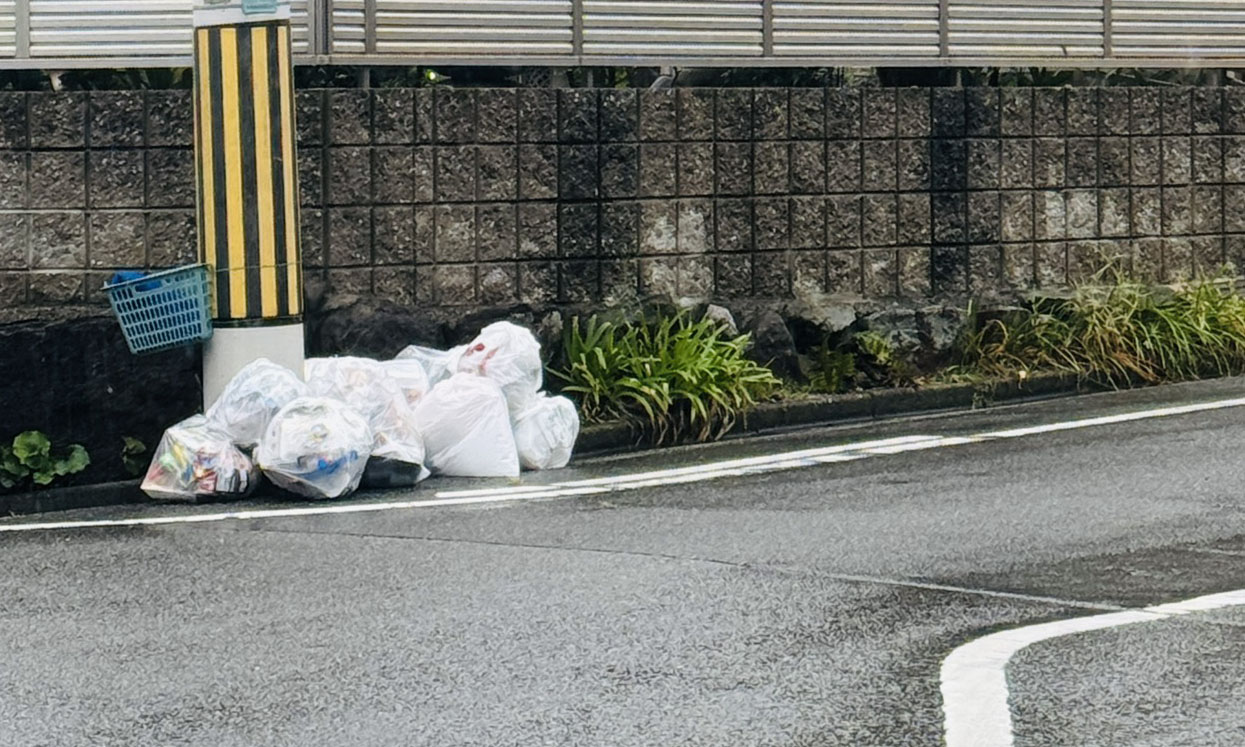
TOKYO, JAPAN (MERXWIRE) – Walking through the streets of Japan, foreign visitors may find themselves holding a finished convenience-store rice ball or drink, only to realize that they cannot find a garbage bin or are unsure which category the waste belongs to. While garbage sorting may be a routine part of daily life for people familiar with Japan’s local rules, it can become an unexpected challenge for first-time visitors or travelers unfamiliar with local regulations. The Consumer Aesthetics and Cultural Tourism Society Japan said 35% of foreign visitors find Japan’s garbage disposal rules confusing, and recommended improvements in three areas: multilingual information, visual guidance and an appropriate increase in garbage bins. These measures could include garbage guides in English, Chinese and Korean, using icons and photos instead of complicated text, and providing more garbage bins at hotels, train stations and tourist attractions where visitors are likely to generate waste.
According to the association’s “Survey on Difficulties Faced by Foreign Residents and Visitors in Japan,” 35% of foreign respondents said they had difficulty understanding garbage disposal rules, while 27% said they found it difficult to dispose of garbage. The findings suggest that garbage disposal is one of the issues that can cause inconvenience for foreigners traveling or living in Japan. Even when visitors understand that garbage must be sorted, they may still be unsure how to do so, as well as when and where different types of waste can be discarded.
The association noted that the difficulty in understanding garbage rules is not simply a language issue. Even when information is available in English or other languages, complicated explanations can make it difficult for visitors to quickly understand what they should do. Clear visual instructions, such as icons, photos and simple examples showing how to dispose of plastic bottles, drink cups and food packaging, could make the rules easier to understand.
At the same time, the finding that 27% of respondents consider garbage disposal difficult also reflects the limited availability of public garbage bins in some areas. Visitors often generate waste after buying drinks, food or souvenirs at train stations, tourist attractions and shopping districts. When garbage bins are limited, they may have to carry the waste with them for some time. If they are also unfamiliar with local disposal rules, the situation can become even more difficult.
The Consumer Aesthetics and Cultural Tourism Society Japan recommended that Japan make local waste disposal rules easier for overseas visitors to understand while providing an appropriate number of garbage bins in key tourist areas. In addition to multilingual guides provided by local governments, hotels, ryokans and guesthouses could offer information on local garbage sorting and collection rules when guests check in. Simple disposal instructions could also be placed near garbage bins at train stations, tourist attractions and shopping districts. Making information clearer and easier to access could help reduce sorting mistakes and improper disposal while making travel and daily life more convenient for foreign visitors.
One visitor from Taiwan said, “The garbage rules seem to be different from place to place, and I often don’t know where I can throw my garbage away. Sometimes I end up carrying a whole day’s worth of trash in my bag. It’s really inconvenient. It would be very helpful if tourist attractions or garbage bins had simple instructions in Chinese.”
Another visitor from South Korea said, “Several times, after finishing a convenience-store coffee, I didn’t know where I could throw away the cup.” With relatively few garbage bins on some streets, visitors may have to carry their waste after buying drinks or food. The traveler said that having more garbage bins at train stations, shopping districts and tourist attractions, along with clear disposal information, would make things much easier for foreign visitors.
The association said local governments should improve garbage disposal services by providing multilingual and visual information and appropriately increasing the number of garbage bins, allowing visitors to “understand, find and dispose.” Such measures could help reduce sorting mistakes and littering while improving convenience for foreign visitors in Japan. For travelers unfamiliar with Japan’s waste disposal practices, clear instructions and accessible disposal facilities can reduce confusion caused by a lack of information and make it easier for them to follow local rules.
Media Contacts:
Consumer Aesthetics and Cultural Tourism Society Japan
PR Agency:
MERXWIRE INC.
Ada Huang
pr@merxwire.com
SOURCE: Consumer Aesthetics and Cultural Tourism Society Japan


