
Key Takeaways:
- Tossing electronics in the regular trash is illegal in California – covered devices must go through certified recycling channels.
- Foster City residents have access to free e-waste disposal options, including RethinkWaste community events, curbside battery pickup, and the Shoreway Environmental Center in San Carlos.
- California’s Senate Bill 1215, effective January 1, 2026, expands e-waste rules to cover battery-embedded products like cordless tools and small appliances.
- Before recycling any device, wipe your personal data – some professional services include certified data destruction.
- When the volume is too large to handle alone, a junk removal service can handle the heavy lifting while staying compliant with state regulations.
Old laptops, cracked tablets, dusty printers – most Foster City households have at least a drawer or closet full of electronics that stopped working years ago. Getting rid of them the right way is not complicated, but there are real legal and environmental rules to follow. Here is everything you need to know.
E-Waste in the Trash Is Illegal in California
In California, it is illegal to throw televisions, computers, monitors, and many other electronics into your household trash. The state classifies these devices as hazardous waste because they contain toxic materials – lead, mercury, and other heavy metals – that can leach into soil and groundwater when sent to a landfill. Violations can carry fines of up to $70,000 per violation per day for businesses, and residential disposal in the wrong bin can still trigger penalties and service disruptions from your waste hauler.
What Counts as E-Waste?
Not every old gadget falls under the same rules, so it helps to know exactly what California law covers.
Covered Electronic Devices Under the EWRA
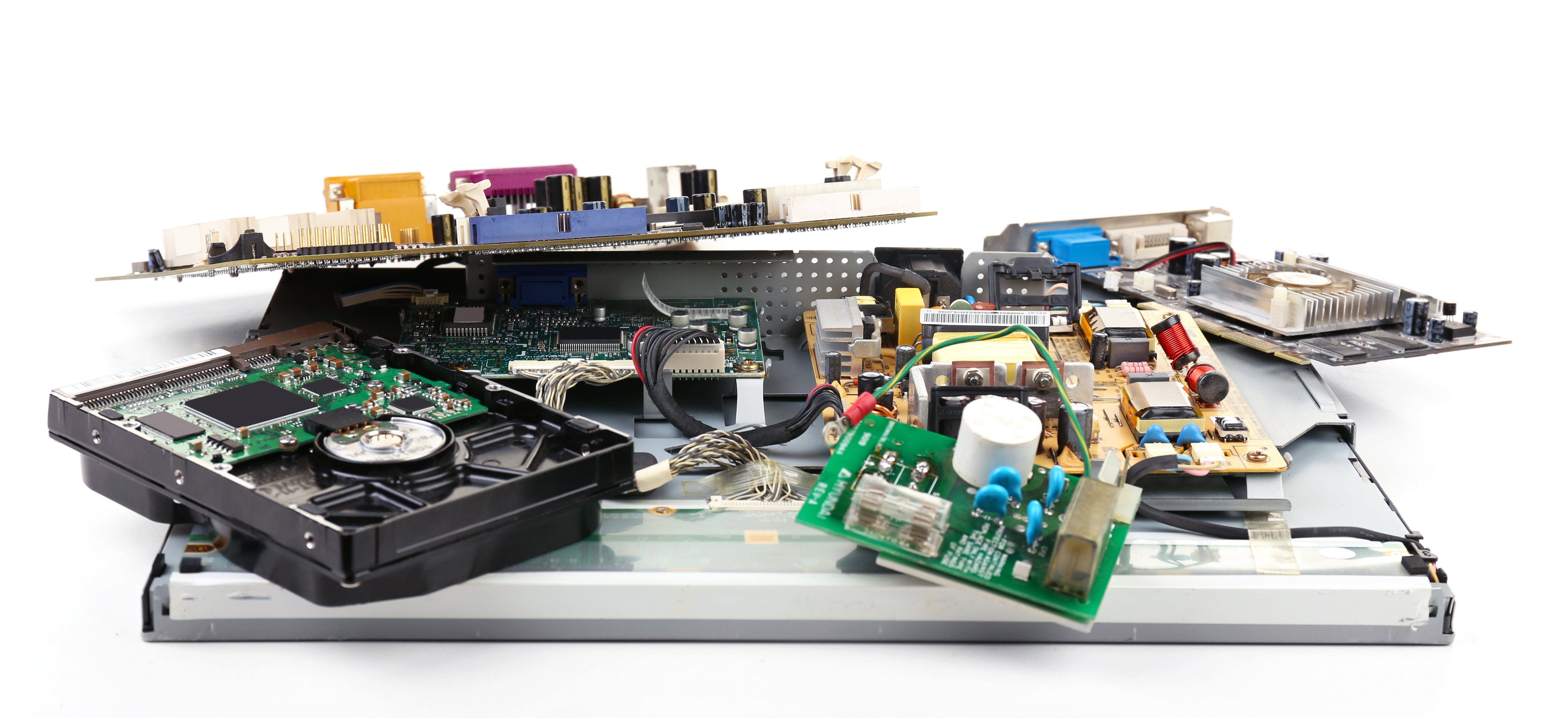
California’s Electronic Waste Recycling Act of 2003(EWRA) specifically targets covered electronic devices (CEDs) – defined as any video display device with a screen larger than four inches. That includes:
- Televisions (CRT, LCD, plasma, OLED)
- Desktop and laptop computer monitors
- Laptop computers with built-in screens
- Tablets and smartphones
- Portable DVD players and smart displays
When you buy one of these devices in California, a small recycling fee is collected at the point of sale. That fee funds the statewide collection and recycling infrastructure, meaning drop-off is often free for consumers at certified locations.
Battery-Embedded Products: New Rules for 2026
California is significantly expanding its e-waste framework. Senate Bill 1215, effective January 1, 2026, brings battery-embedded products under the EWRA umbrella for the first time. Cordless power tools, children’s toys with built-in batteries, and small appliances with non-removable rechargeable batteries will all require proper recycling. If you have older cordless devices waiting to be disposed of, now is a good time to start planning.
Why E-Waste Is Hazardous
Toxic Substances Inside Common Electronics
A single old CRT television can contain several pounds of lead. Circuit boards across nearly all electronics carry cadmium, hexavalent chromium, beryllium, nickel, zinc, and brominated flame retardants. These are not trace amounts – they are structural materials built into how devices are manufactured.
Risks to Soil, Water, and Human Health
When electronics end up in a landfill, rain carries heavy metals into the surrounding soil and eventually into groundwater. Communities near improperly managed landfills face the greatest exposure risk. Lead affects neurological development; mercury is toxic even in very small amounts. Certified recycling facilities are specifically designed to extract and contain these materials before they can cause harm, which is exactly why California law requires it.
Foster City’s Free E-Waste Collection Options
Foster City residents have several no-cost options to dispose of electronics responsibly, all supported by the regional waste management authority.
RethinkWaste Community Collection Events
The City of Foster City partners with RethinkWaste to host free periodic e-waste collection events. These events accept a wide range of electronics – note that batteries are generally not accepted at these particular events – and are open to Foster City residents. Proof of residency is required, so bring a utility bill or a piece of official mail with your address. Dates and locations are published through the city’s waste management calendar and RethinkWaste’s website. These events are one of the easiest no-cost options for clearing out a moderate amount of old electronics.
Curbside Pickup for Batteries and Cell Phones
For smaller items, Foster City offers a curbside collection program specifically for household batteries and cell phones. Place items in a sealed, clear zip-top bag and set it on top of your garbage cart on your regular collection day. This program removes the barrier of driving to a drop-off site for common small devices, though it is limited to batteries and phones – not larger electronics.
Shoreway Environmental Center Drop-Off
For year-round, on-demand recycling, the Shoreway Environmental Center in San Carlos serves as a permanent drop-off facility for batteries, cell phones, and a broader range of electronic waste. Operated by RethinkWaste, it accepts materials from San Mateo County residents, making it the most reliable ongoing option if you cannot wait for a community collection event.
More Ways to Recycle Electronics Nearby
Manufacturer Take-Back Programs
Many major electronics brands operate their own take-back or trade-in programs. Dell, HP, and Apple all offer documented options for returning older equipment – either by mail or through retail locations. These programs are particularly useful for branded devices that are still somewhat functional, as some manufacturers refurbish and resell returned units rather than immediately scrapping them. Check the manufacturer’s website directly for current program terms, as availability and accepted items vary.
San Mateo County’s RecycleStuff.org Database
San Mateo County’s Sustainability Department maintains RecycleStuff.org, a searchable database of recycling and donation locations across the county. Enter the type of device you have and your ZIP code to find the nearest certified drop-off point. This is a practical first stop when you are unsure where a specific item – like an old printer or a broken scanner – is accepted.
Don’t Overlook Data Security
Recycling an old device does not automatically protect the personal data stored on it. Hard drives, phones, and tablets often retain recoverable information long after a factory reset. Before handing off any device, back up anything you want to keep and then fully wipe the storage – most operating systems include a secure erase option in their settings. For older hard drives being pulled from desktops or laptops, physical destruction or certified data erasure by the recycling facility is the most reliable approach. Some professional e-waste and junk removal services offer documented data destruction as part of their process, which is worth asking about if you are recycling business or financial devices.
When to Call a Professional Junk Removal Service
Community drop-off programs work well for a bag of old phones or a single TV. But clearing out a home office, managing an estate, or dealing with years of accumulated electronics – including large monitors, old desktop towers, printers, and tangled cords – makes self-hauling difficult and impractical.
A licensed junk removal service in San Mateo County handles the loading, transport, and proper routing to certified recycling facilities, so there is no guesswork about compliance. It also eliminates the need to make multiple trips or rent a vehicle large enough for bulky items. For Foster City households with significant e-waste volume, professional junk removal saves time and ensures everything ends up where it legally and environmentally should.
Junk King South San Francisco
+1 650 490 2235
863 Malcolm Rd
Burlingame
CA
94010
United States


