Next-Generation Energy Projects Expose Insurers to Unprecedented Risk Complexities
The energy sector stands at a crossroads where traditional risk management approaches meet unprecedented technological advancement. As utilities and developers push forward with groundbreaking projects, from floating offshore wind platforms to grid-scale energy storage systems, the insurance industry faces a fundamental challenge: how to protect investments that have never existed before.
This dynamic environment is highly compounded by the rapidly growing energy needs of the AI sector. An MIT report found that AI data centers are already consuming massive amounts of energy, particularly during the training phase. GPT4, for instance, used 50 gigawatt hours during its training phase at a cost of over $100 million.
Additionally, the energy used by these centers is 48% more carbon-intensive than average industrial use, the report explains. These factors combined are pushing companies both in the energy sector and beyond to take greater risks on innovative new projects in order to reduce carbon impacts and ease the financial burden that this increased usage places on the average consumer.
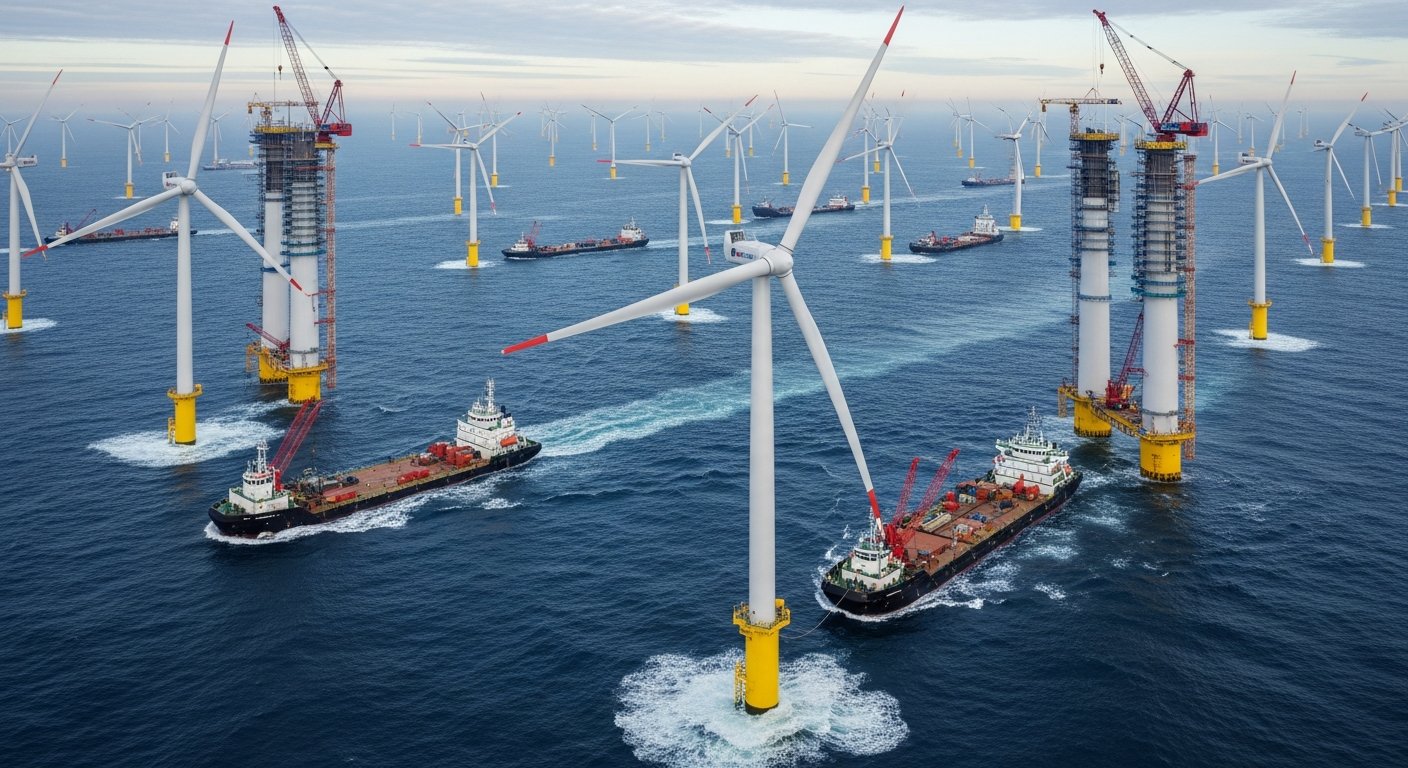
Even without this increased pressure, modern energy infrastructure creates risk profiles that defy conventional insurance categories. Unlike traditional power generation facilities with decades of operational history, next-generation projects introduce variables that have never been tested at scale. Floating solar installations must withstand hurricane conditions while maintaining electrical connections. Offshore wind turbines face corrosive marine environments that accelerate wear beyond land-based models. Grid-scale battery installations concentrate enormous amounts of stored energy, creating fire and explosion risks for which traditional actuarial tables have limited historical data for accurate prediction.
Specialized companies across the energy insurance and reinsurance sector understand these complex energy sector risks and develop tailored reinsurance solutions that enable project development. As they explain, these projects typically involve capital investments ranging from hundreds of millions to several billion dollars, with construction periods extending two to four years before operational revenue begins. The combination of high values, extended timelines, and unproven technologies creates a perfect storm of uncertainty that challenges traditional risk assessment methodologies.
Weather dependency adds another layer of complexity that distinguishes energy projects from other industrial ventures. Solar and wind installations face direct exposure to the natural elements that power them, creating an inherent vulnerability to the same forces they harness. A single severe weather event can damage multiple installations across wide geographic areas, potentially triggering claims that exceed the capacity of individual insurers.
Traditional Treaty Reinsurance Falls Short for Unique Energy Technologies
Treaty reinsurance operates on the principle of spreading predictable risks across large portfolios. Reinsurers establish coverage terms based on historical loss patterns, industry standards, and well-understood risk categories. This approach works effectively for mature industries where decades of claims data inform actuarial models and pricing structures.
Standardized Coverage Can’t Match Specialized Project Needs
Energy advancement moves faster than insurance product development. When developers design new turbine configurations for deeper offshore waters or experiment with hybrid renewable systems that combine multiple generation technologies, they create risks that don’t fit existing policy frameworks. Treaty reinsurance contracts, written to cover broad categories of similar risks, struggle to accommodate the unique specifications and operational parameters of cutting-edge energy projects.
The standardized nature of treaty arrangements also limits flexibility in coverage terms. Projects featuring novel technologies may require specialized exclusions, modified policy periods, or customized claim settlement procedures that treaty structures cannot accommodate without extensive renegotiation affecting the entire portfolio.
Limited Historical Data Creates Underwriting Blind Spots
Underwriters rely on historical loss patterns to assess risk and establish appropriate pricing. Next-generation energy technologies lack the operational history necessary for traditional actuarial analysis. How do you predict the failure rate of floating wind platforms when the most advanced and largest-scale installations have only recently become operational, and the technology’s full operational history at scale is still developing? What maintenance costs should insurers expect for utility-scale batteries, especially those incorporating recent chemistry advancements and deployed at unprecedented scales, for which long-term data is still emerging?
This data gap forces insurers to make conservative assumptions, often resulting in higher premiums or coverage restrictions that can make projects financially unviable. The absence of peer group comparisons means every new technology faces the challenge of establishing its own risk profile without benefit of industry benchmarks.
Facultative Reinsurance Delivers Tailored Solutions for Energy Development
Facultative reinsurance addresses the limitations of treaty arrangements by evaluating each risk individually. Rather than applying standardized terms across a portfolio, facultative underwriters examine the specific characteristics, location, technology, and operational plans of each project to develop customized coverage solutions.
Case-by-Case Risk Assessment Enables Precise Coverage
The facultative approach allows underwriters to examine project specifications in detail, reviewing engineering studies, environmental impact assessments, and operational protocols to understand risk factors that generic policies might overlook. This detailed analysis enables coverage terms that reflect actual project risks rather than broad industry assumptions.
For example, an offshore wind farm in the North Sea faces different challenges than a similar installation in the Gulf of Mexico. Facultative underwriters can adjust coverage terms to reflect specific environmental conditions, proximity to maintenance facilities, and regional regulatory requirements that affect project risk profiles.
Specialized Underwriting Expertise Bridges Knowledge Gaps
Facultative reinsurers often employ technical specialists with deep knowledge of emerging energy technologies. These experts understand the engineering principles, operational challenges, and potential failure modes of new energy systems in ways that generalist underwriters cannot match.
This specialized expertise proves valuable when evaluating novel technologies or unconventional project structures. Technical underwriters can identify critical risk factors that might escape notice in broader portfolio reviews, enabling more accurate risk assessment and appropriate coverage design.
Flexible Terms Accommodate Evolving Technologies
Energy technology continues evolving throughout project development and operations. Facultative agreements can incorporate flexibility provisions that allow coverage adjustments as projects implement technology upgrades, modify operational procedures, or respond to regulatory changes.
This adaptability ensures that insurance protection keeps pace with project evolution, maintaining appropriate coverage even as technologies mature and risk profiles change over time.
Critical Risk Factors Drive the Need for Specialized Coverage
Next-generation energy projects face a unique combination of risks that demand specialized insurance solutions. Understanding these risk factors explains why facultative reinsurance has become necessary for energy sector development.
Extended Construction Timelines and Regulatory Delays
Energy projects often require two to four years for construction, with additional delays of two to seven years during planning and permitting phases. These extended timelines expose projects to evolving regulatory requirements, changing environmental standards, and shifting political priorities that can dramatically alter project viability.
Construction delays compound risk exposure by extending the period during which projects remain vulnerable to weather events, supply chain disruptions, and cost escalations. Facultative reinsurance can provide coverage that adapts to timeline changes and accommodates the complex milestone structures typical of large energy developments.
Supply Chain Vulnerabilities and Critical Material Dependencies
The concentration of clean energy manufacturing and critical mineral extraction in limited global markets creates significant supply chain vulnerabilities. Rare earth elements needed for wind turbine magnets come from a handful of mines. Solar panel production concentrates in specific geographic regions vulnerable to trade disputes and natural disasters.
These dependencies mean that events thousands of miles from project sites can trigger delays, cost increases, or performance guaranty claims. Facultative reinsurance can address these interconnected risks through coverage that recognizes the global nature of energy supply chains.
Cybersecurity Threats in Interconnected Energy Systems
Modern energy projects integrate digital control systems that enable remote monitoring and grid coordination but also create cybersecurity vulnerabilities. Interconnected systems mean that cyber attacks can cascade across multiple installations, potentially affecting entire regional grids.
The emerging nature of energy cybersecurity threats requires specialized coverage that addresses both direct damage from attacks and indirect consequences like business interruption or regulatory penalties. Facultative underwriters can develop cyber coverage tailored to specific energy technologies and their unique vulnerability profiles.
Real-World Applications Show Facultative Reinsurance in Action
Practical examples demonstrate how facultative reinsurance enables energy development by providing coverage solutions that traditional treaty arrangements cannot deliver.
Facultative Arrangements Facilitate Parametric Coverage for Weather-Exposed Assets
A case study involving parametric insurance for a windstorm-prone energy asset under construction illustrates how facultative reinsurance enables specialized coverage solutions. Rather than traditional damage-based claims settlement, parametric coverage triggers payments based on measurable weather parameters like wind speed or storm intensity.
This approach provided coverage that commercial insurance markets could not deliver independently, demonstrating how facultative reinsurance partnerships enable product development that serves emerging energy sector needs.
Large-Scale Infrastructure Projects Require Individual Assessment
Utility-scale energy storage installations represent billions of dollars in concentrated risk that exceed individual insurer capacity limits. These projects require facultative arrangements that can accommodate their unique risk characteristics while spreading exposure across multiple reinsurers.
The individual assessment process enables underwriters to evaluate specific technologies, site conditions, and operational protocols that affect risk levels, resulting in coverage terms that reflect actual project characteristics rather than broad industry assumptions.
Energy Sector Growth Demands Strategic Risk Transfer Evolution
The renewable energy sector experiences unprecedented growth that introduces complex risks requiring detailed and tailored risk management solutions. Global energy transition goals drive investment in technologies and project scales that push beyond traditional insurance boundaries.
Facultative reinsurance provides the flexibility and specialized expertise necessary to support this growth. By enabling case-by-case risk assessment and customized coverage solutions, facultative arrangements allow insurers to participate in energy sector development while managing their own risk exposure appropriately.
The evolution toward more specialized risk transfer solutions reflects the energy sector’s maturation from experimental technology demonstrations to commercial-scale infrastructure investments. As projects grow larger and more complex, the insurance industry must evolve its approaches to match the sophistication of the risks it covers.
This evolution benefits the entire energy ecosystem by enabling projects that might otherwise remain uninsurable, accelerating the development of clean energy infrastructure needed for climate goals. The strategic use of facultative reinsurance ensures that insurance capacity keeps pace with energy sector advancement, supporting continued growth and technological progress.
GUARANT
2nd Floor Tower B Sanlam Towers Building
KN 67 Street
Kigali
Kigali City
P.O Box 6381
Rwanda