Educational Resource Addresses System Capacity, Coverage Gaps, and Long-Term Maintenance Factors
Sarasota, United States – February 27, 2026 / In Bloom Lawn & Landscape /
Sarasota, FL – Property owners planning new irrigation systems or replacing aging equipment face decisions that affect lawn health, water bills, and maintenance requirements for decades. In Bloom Lawn & Landscape has released practical guidance on irrigation system planning that examines how upfront design choices influence long-term performance, flexibility, and cost efficiency. The decision between minimal coverage and comprehensive zoning, between basic timers and smart controllers, and between standard spray heads and specialized equipment carries implications that extend far beyond installation day.
These choices determine irrigation uniformity across property zones, capacity for future landscape additions, and the ease or difficulty of seasonal adjustments. Design limitations discovered after installation often require expensive retrofitting or result in persistent dry spots, overwatered areas, and inefficient water use. Understanding these factors before installation helps property owners avoid compromises that become increasingly problematic over time.
Why System Design Affects More Than Water Delivery
Irrigation system design determines how precisely water reaches different landscape areas, how easily the system adapts to plant maturity or landscape changes, and how much manual intervention ongoing maintenance requires. A system designed with minimal zones may deliver water efficiently when first installed but lack the precision needed as plantings mature, sun patterns shift, or property use evolves. Conversely, over-designed systems with excessive zones or unnecessary features increase installation costs and complicate routine adjustments without providing meaningful performance benefits.
Coverage gaps represent one of the most common design oversights. Property owners often discover dry spots in lawn corners, along property edges, or in irregularly shaped planting beds only after grass begins showing stress or plants fail to thrive. Correcting these gaps after installation requires trenching through established landscapes, disrupting hardscapes, or accepting permanent irrigation limitations. Thorough upfront coverage planning prevents these situations.
Controller technology decisions affect how easily homeowners can adjust watering schedules for seasonal changes, respond to rainfall, or accommodate new landscape areas. Basic timer systems require manual adjustments for every schedule change and lack the ability to respond to weather conditions automatically. Smart controllers with weather-based adjustments reduce water waste and simplify seasonal management but add upfront cost. The value of automation depends heavily on property size, landscape complexity, and how actively homeowners want to manage watering schedules.
Capacity planning often receives insufficient attention during initial design. Systems designed to meet current landscape needs may lack pressure or flow capacity to support future additions such as expanded planting beds, new lawn areas, or additional landscape zones. This limitation forces property owners to either accept irrigation constraints on future projects or undertake expensive system upgrades involving new pipes, larger valves, or water pressure modifications.
How Design Choices Influence Long-Term Outcomes
Zone configuration directly impacts water efficiency and plant health across different landscape areas. Grouping plants with similar water needs into dedicated zones allows precise irrigation matching specific requirements. Mixing high-water-demand turf with drought-tolerant shrubs in the same zone forces compromise watering that either overirrigates some plants or underirrigates others. This design error leads to wasted water, stressed plants, or both.
Head spacing and placement patterns determine coverage uniformity within each zone. Inadequate overlap between spray patterns creates dry spots. Excessive overlap wastes water and promotes fungal problems in turf. Proper spacing accounts for water pressure, head type, and prevailing wind patterns that affect spray distribution. These calculations require understanding how different factors interact rather than applying generic spacing formulas.
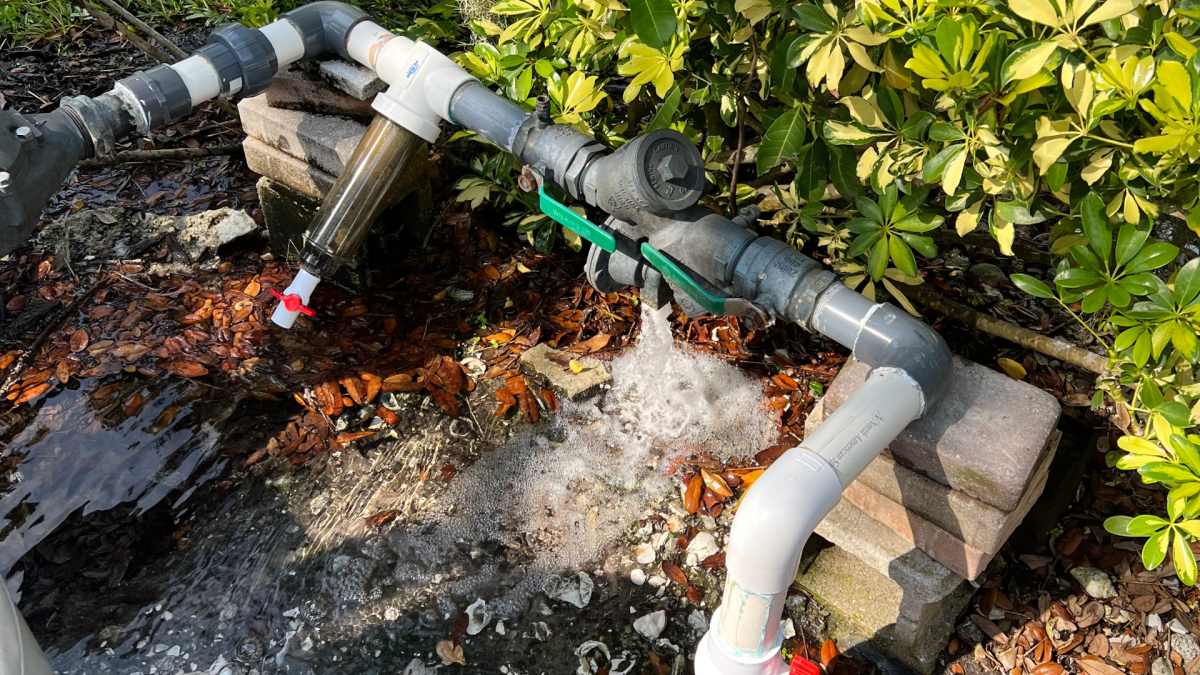
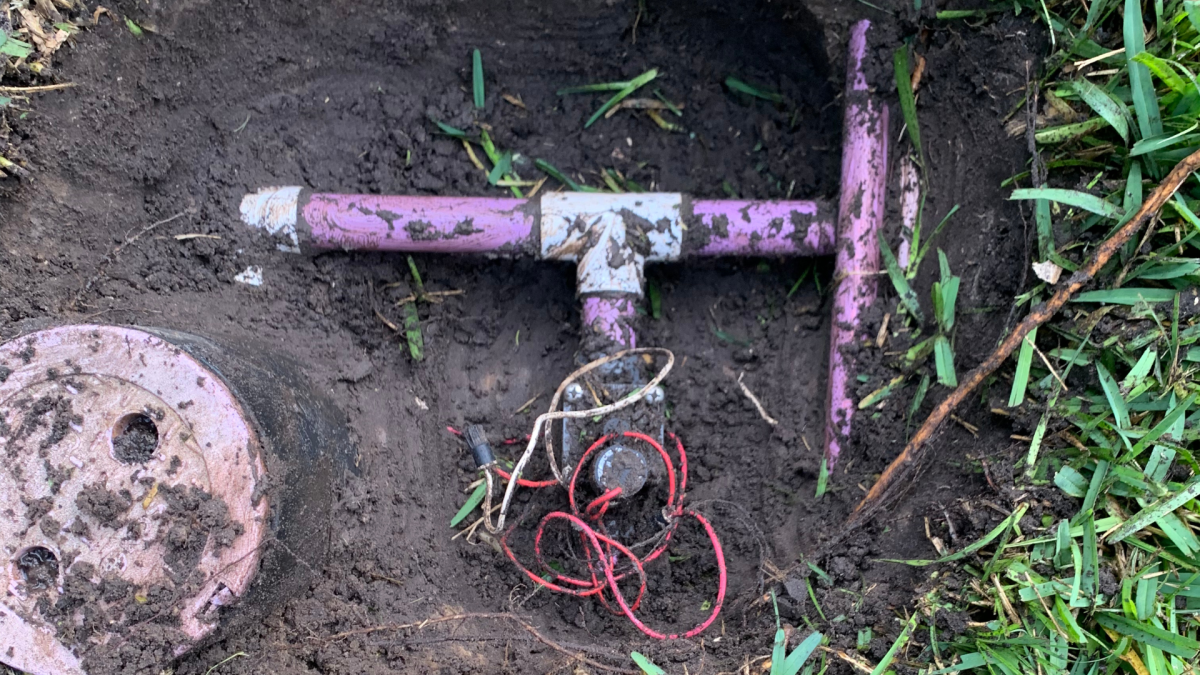
Backflow prevention, valve quality, and pipe sizing affect system reliability and longevity. Undersized pipes reduce pressure at distant heads, creating weak spray patterns and poor coverage. Low-quality valves fail prematurely, requiring replacement that involves excavation and landscape disruption. Inadequate backflow prevention creates compliance issues and potential contamination risks. These components represent areas where cost-cutting during installation creates ongoing problems.
Mainline placement decisions affect future flexibility and maintenance accessibility. Lines buried too shallow risk damage from routine landscape work. Lines routed through areas where hardscapes or structures may be added later limit future options. Thoughtful placement considers both current layout and likely future property development, providing access points that simplify modifications or troubleshooting without extensive excavation.
Controller location and electrical considerations impact system usability and weather protection. Controllers placed in inconvenient locations discourage regular monitoring and adjustment. Inadequate weatherproofing leads to premature failure. Poor electrical installation creates safety hazards or reliability problems. These practical factors determine how easily homeowners can interact with and maintain their systems over time.
How Installation Decisions Get Evaluated in Practice
In Bloom Lawn & Landscape evaluates irrigation design by examining current landscape requirements alongside likely future modifications, property drainage patterns that affect watering needs, and homeowner preferences for automation versus manual control. Rather than defaulting to standard zone layouts, the company maps property microclimates, identifies areas with different sun exposure or soil drainage characteristics, and designs zones that address these variations.
The evaluation process includes assessing water pressure and flow capacity available at the property, calculating head requirements for complete coverage, and determining necessary pipe sizes to maintain adequate pressure throughout the system. This technical analysis ensures the system operates within available capacity rather than underperforming due to inadequate supply pressure.
Controller recommendations consider how actively homeowners want to manage irrigation schedules, the complexity of the landscape requiring different watering programs, and long-term water cost considerations that automation addresses. The company explains trade-offs between controller types rather than universally recommending the most advanced or least expensive option.
Future expansion capacity receives explicit attention during design. The company discusses whether property owners anticipate landscape additions, where those additions might occur, and how the system can accommodate future zones without complete redesign. This planning prevents situations where irrigation limitations constrain later landscape projects.
Property Characteristics That Influence System Requirements
Soil type dramatically affects irrigation needs and system design throughout Sarasota County. Sandy soils common in coastal areas drain rapidly, requiring more frequent watering with shorter run times to prevent runoff. Clay-heavy soils in other areas retain moisture longer but absorb water more slowly, requiring longer soak times with gaps between cycles. Irrigation system design must account for these soil characteristics to deliver water effectively.
Property slope and drainage patterns determine whether irrigation promotes or prevents water pooling and runoff. Steep slopes need specialized heads and cycle-soak programming to allow water absorption before runoff begins. Low areas may require reduced irrigation or drainage improvements to prevent oversaturation. These factors require site-specific evaluation rather than template designs.
Existing landscape maturity affects current versus future watering needs. Newly installed landscapes with immature root systems require different irrigation patterns than established plantings. Systems should provide flexibility to adjust coverage intensity and frequency as plants mature and root systems expand.
Approach to Homeowner Communication
In Bloom Lawn & Landscape provides detailed explanations of how design choices affect system performance, water efficiency, and future flexibility before installation begins. This includes walking properties to identify coverage challenges, discussing where expansion capacity might be valuable, and explaining trade-offs between different equipment options. The company prioritizes helping property owners understand why specific recommendations address their particular circumstances rather than presenting standardized solutions.
Installation projects include clearly marked valve locations, zone maps showing coverage areas, and controller programming explanations that enable homeowners to make routine adjustments confidently. This documentation supports long-term system management and simplifies future modifications by other contractors if necessary. Local homeowners consistently emphasize appreciation for thorough explanations that clarify technical decisions.
The business maintains availability for post-installation questions, seasonal adjustment guidance, and troubleshooting support as property owners become familiar with their systems. This ongoing technical resource helps homeowners optimize performance and address minor issues before they become significant problems.
Preventing Common Irrigation System Problems
Inadequate upfront irrigation planning creates problems that compound over time. Coverage gaps cause persistent brown spots requiring supplemental hand watering or plant replacement. Insufficient zoning prevents precise watering adjustments as landscapes mature. Limited capacity constrains future landscape projects or requires expensive system upgrades. Controllers without automation capabilities demand constant manual adjustment that many homeowners eventually abandon, leading to inefficient watering patterns and higher costs.
Property owners considering new irrigation systems benefit from evaluating these design factors before installation rather than discovering limitations afterward. In Bloom Lawn & Landscape serves Sarasota, Venice, Siesta Key, Bird Key, Osprey, and surrounding Sarasota County communities with irrigation design, installation, and technical guidance. The company can be reached at 941-946-0857 for project consultations addressing specific property requirements and long-term irrigation planning needs.

Contact Information:
In Bloom Lawn & Landscape
4242 Gypsy St.
Sarasota, FL 34233
United States
Contact In Bloom
(941) 946-0857
http://inbloomlawnandlandscape.com/

Original Source: https://inbloomlawnandlandscape.com/media-room