Are Basement Wall Cracks Cosmetic or Structural? What Homeowners Need to Know
Erie, United States – February 20, 2026 / ARK Basement Services /
Finding a crack in your basement wall can immediately cause stress. Many homeowners assume the worst, imagining major structural damage and costly repairs.
The reality is more nuanced.
Some cracks are minor and expected as a home settles. Others are early warning signs of pressure, shifting soil, or structural stress. Knowing the difference helps you act wisely rather than react out of fear.
That is where understanding foundation crack repair becomes important. The goal is not just to fix cracks, but to understand what caused them in the first place.
Why Foundation Cracks Happen in the First Place
Most foundation cracks form because of one or more of the following factors:
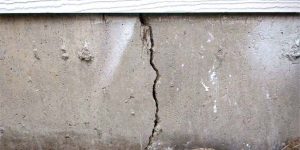
Soil Movement
Soil expands when it absorbs water and shrinks when it dries. This constant movement puts pressure on foundation walls.
Natural Settling
All homes settle over time. Small vertical cracks are often part of this normal process.
Hydrostatic Pressure
When soil becomes saturated, water pressure pushes against foundation walls. This pressure can cause horizontal cracking or bowing.
Poor Drainage
Water pooling around the foundation increases stress on concrete walls and can accelerate crack formation.
Understanding the cause is just as important as repairing the crack itself.
Types of Foundation Cracks Homeowners See
Different crack patterns tell different stories.
Vertical Cracks
Vertical cracks are common and often caused by normal settling. If they are narrow and not widening, they may not be structural.
However, they should still be sealed to prevent moisture intrusion.
Horizontal Cracks
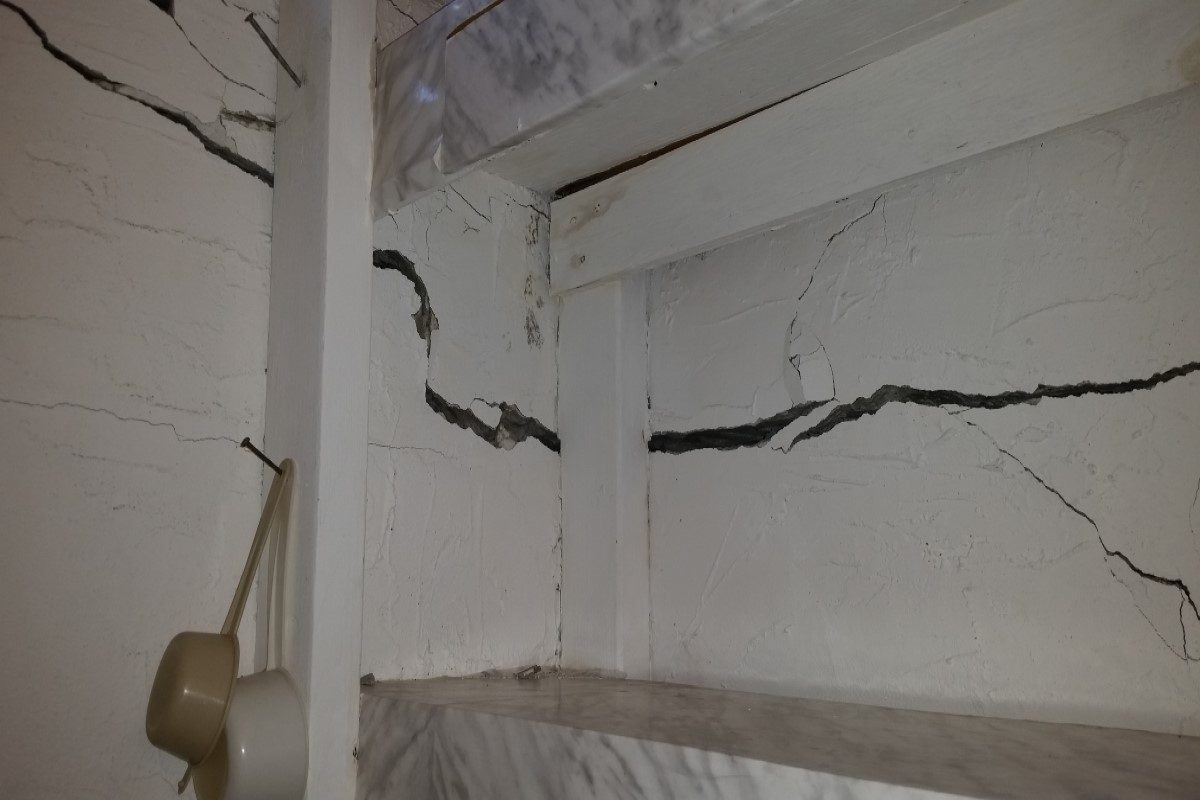
Horizontal cracks are more concerning. They often indicate soil pressure pushing inward on foundation walls.
These cracks can signal structural stress and should be evaluated promptly.
Stair-Step Cracks
Common in block foundations, stair-step cracks follow mortar joints. These may suggest shifting or uneven settling.
Diagonal Cracks
Diagonal cracks can indicate uneven foundation movement and should be monitored closely.
When to Monitor and When to Act Immediately
It is not always necessary to panic. But there are specific warning signs that require immediate attention.
Monitor the Crack If:
-
It is thin (hairline width)
-
It runs vertically
-
There is no bowing or displacement
-
It has not changed in size over time
Even then, professional sealing can prevent moisture issues later.
Take Immediate Action If:
-
The crack is widening
-
It runs horizontally
-
The wall is bowing inward
-
Doors and windows are sticking
-
Floors feel uneven
-
Water is entering through the crack
These signs suggest structural stress that should not be ignored.
The Hidden Risk of Ignoring Small Cracks
Many homeowners delay repairs because the crack looks minor.
The problem is that cracks rarely stay the same. Soil pressure, seasonal weather changes, and moisture can cause them to expand over time.
Small cracks also allow water vapor to enter the basement. Even without visible leaks, this moisture contributes to mold growth and indoor air quality issues.
Addressing cracks early is almost always more affordable than waiting.
Professional Foundation Crack Repair Options

The right repair method depends on the severity and cause of the crack.
Epoxy or Polyurethane Injection
For non-structural vertical cracks, injections seal the crack and restore structural integrity while preventing water intrusion.
Carbon Fiber Reinforcement
Carbon fiber strips are used to stabilize walls with minor inward movement. They add strength without major excavation.
Wall Anchor Systems
For more significant bowing or horizontal cracking, wall anchors help stabilize and gradually straighten foundation walls.
Drainage Improvements
Sometimes the real solution involves improving exterior drainage to reduce hydrostatic pressure.
A professional evaluation determines which solution addresses both the crack and its cause.
Why DIY Repairs Often Fall Short
Store-bought sealants can temporarily hide cracks. However, without addressing soil pressure or drainage issues, cracks often reappear.
Foundation problems are structural by nature. Proper assessment ensures you are not simply covering up a deeper issue.
How Foundation Repairs Protect Long-Term Home Value
Your foundation supports everything above it. Structural concerns can affect resale value and inspection results.
Professional foundation crack repair not only stabilizes the structure but also reassures future buyers that the issue was handled correctly.
A stable foundation protects:
-
Structural integrity
-
Indoor air quality
-
Finished basement spaces
-
Overall property value
FAQs About Foundation Crack Repair
Are all foundation cracks serious?
No. Many vertical cracks are part of normal settling, but they should still be evaluated.
How do I know if a crack is structural?
Horizontal cracks, widening gaps, or wall bowing often indicate structural concerns.
Can cracks get worse over time?
Yes. Soil pressure and moisture can cause small cracks to expand.
Is foundation crack repair expensive?
Costs vary depending on severity. Early repairs are typically much more affordable than major structural restoration.
Final Thoughts
Foundation cracks are common, but they are not all the same. Understanding when to monitor and when to act protects your home from unnecessary damage and escalating repair costs.
If you notice cracks in your basement walls, a professional inspection can determine whether they are cosmetic or structural and recommend the appropriate repair.

Contact Information:
ARK Basement Services
4208 Harding Drive
Erie, PA 16509
United States
Mike Perry
(866) 939-2837
https://www.arkbasementservices.com/