What Happens Beneath the Surface During Auto Body Repairs
Exeter, United States – February 13, 2026 / Auto Collision Center of Exeter /
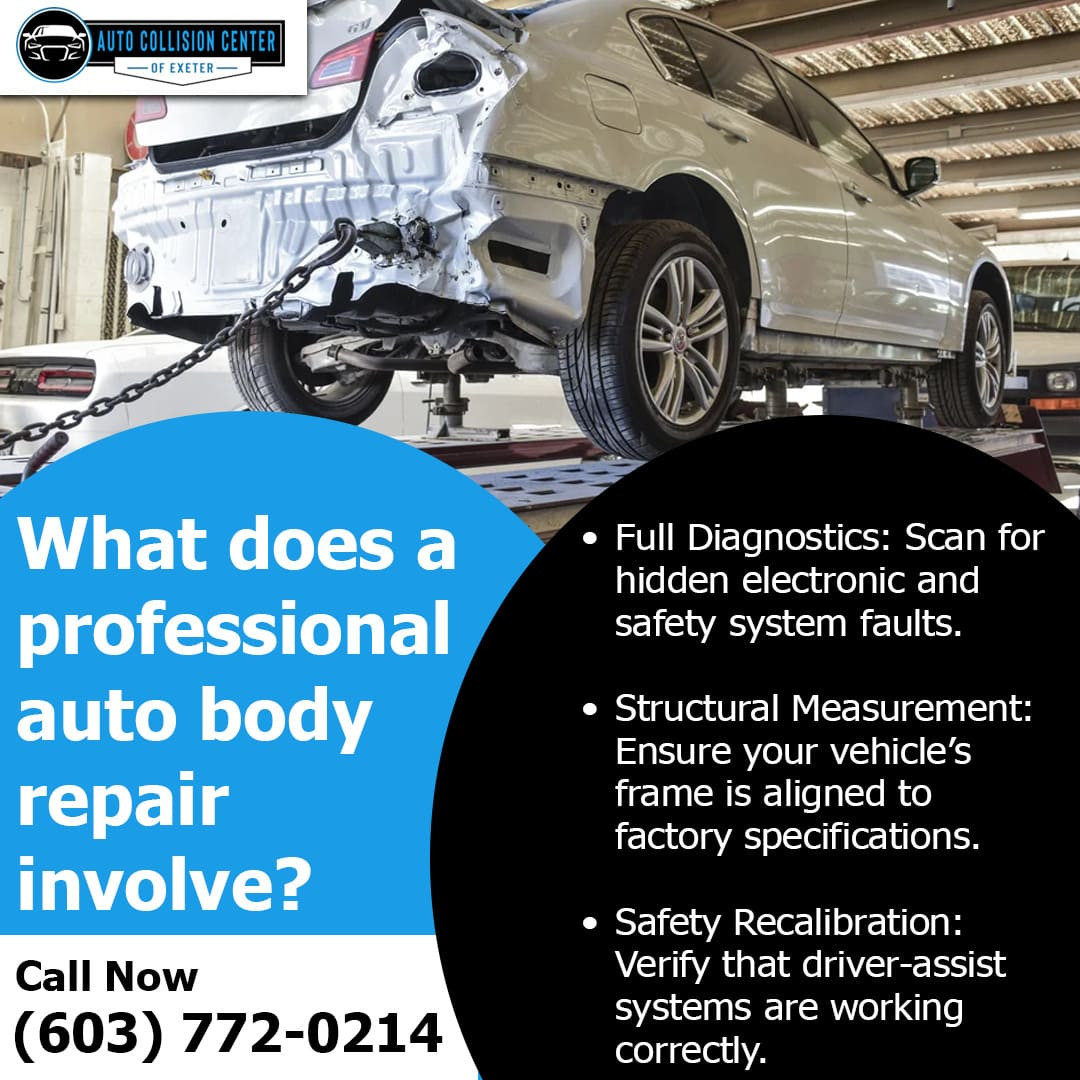
Exeter, NH – Modern vehicles are built with engineered components designed to absorb and redirect crash energy. These parts include reinforcement bars, mounting brackets, and structural crossmembers that sit beneath exterior surfaces. Damage to these areas is not always apparent during a visual inspection, even after low-speed collisions.
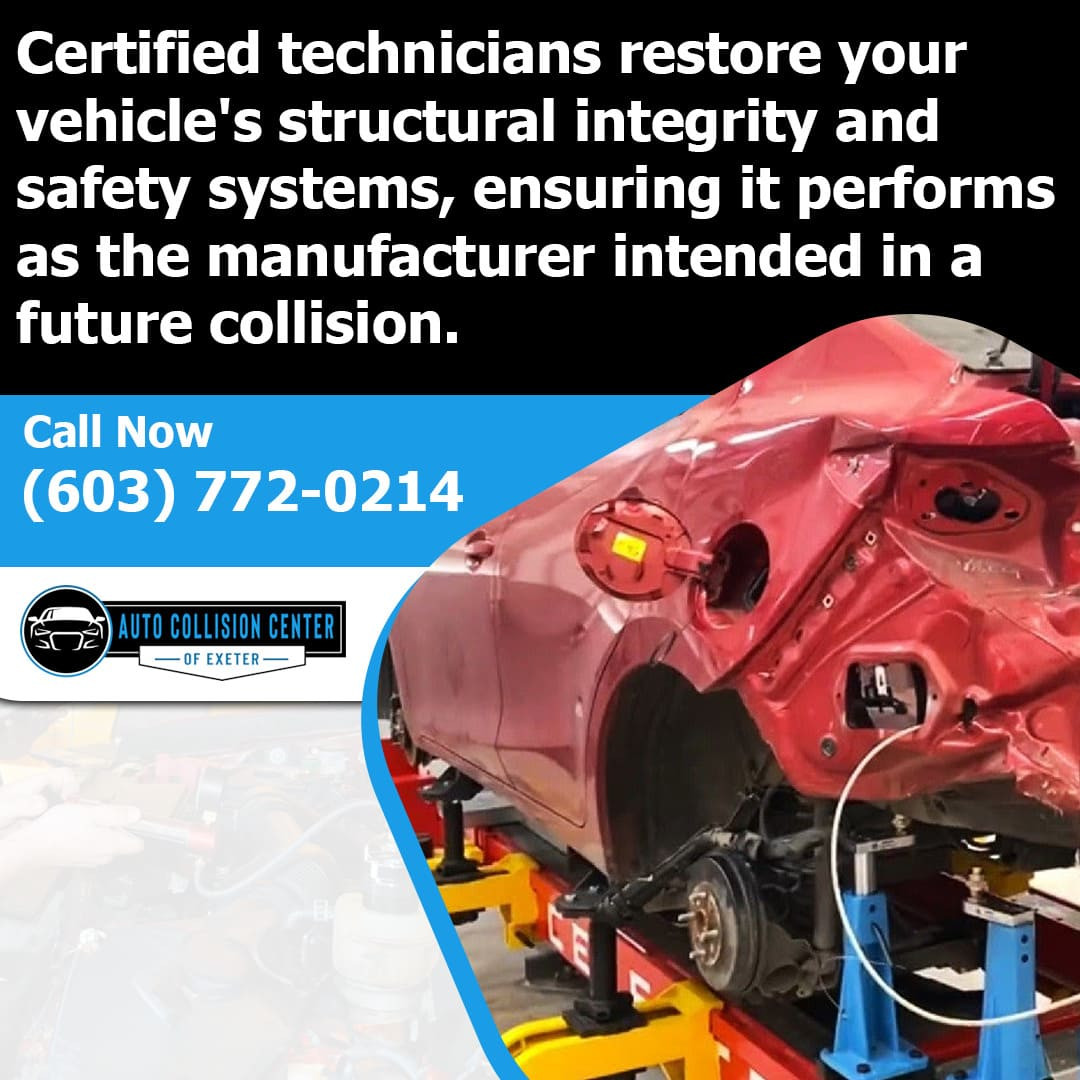
After a vehicle accident, most drivers focus on visible dents, scratches, or paint damage. However, collision impact often travels beyond exterior panels into the vehicle’s internal structure. Auto Collision Center of Exeter emphasizes the importance of addressing this hidden damage, which can affect safety systems, structural alignment, and long-term vehicle performance if left uncorrected. They provide auto body damage repair that preserves the structural integrity and appearance of vehicles.

Why Surface-Level Repairs Are Not Enough
What appears to be minor damage can still alter frame geometry, suspension alignment, and component mounting points. According to the National Highway Traffic Safety Administration, a vehicle’s structural condition directly influences occupant protection during future impacts. Even small deviations from manufacturer specifications can change how collision forces are managed.
This is why professional inspection at a certified auto body shop plays a critical role after an accident. Relying only on what is visible increases the risk of unresolved safety concerns and reduced crash performance.
The Role of Diagnostics and Disassembly in Modern Repairs
At a professional auto body repair shop, assessment extends beyond the exterior. Electronic diagnostic scans are used to identify stored fault codes related to airbags, braking systems, and driver assistance features. These codes may be present even when dashboard warning lights are not active.
Controlled disassembly is another essential step. Removing bumper covers, trim panels, and exterior components exposes impact bars, inner reinforcements, and sensor mounting areas. Incomplete disassembly increases the likelihood of missed structural damage, which can compromise occupant protection.
Structural Accuracy and Repair Precision
Structural repairs require precise measurement and adherence to manufacturer specifications. Modern vehicles often use unibody construction, where the frame and body function as a single structure. Collision forces can shift this structure by small increments that are not visible without proper measuring equipment.
When these changes go uncorrected, drivers may experience uneven tire wear, steering issues, or reduced stability. Proper structural correction restores alignment and supports predictable vehicle behavior in everyday driving and emergency situations.
Parts Fitment and Long-Term Durability
Component selection also affects repair outcomes. Properly fitting parts support correct panel alignment, corrosion resistance, and sensor positioning. While insurance guidelines influence parts usage, professional oversight helps confirm that selected components meet functional requirements.
This approach supports affordable auto body repair without relying on shortcuts that may lead to early wear or system malfunctions. Attention to fitment beneath the panels plays a key role in preserving vehicle value and reliability.
Verification, Reassembly, and Safety System Checks
Once repairs are completed, vehicles undergo careful reassembly and verification. Fasteners, brackets, and clips must be installed according to documented specifications to prevent movement or noise during operation.
Post-repair diagnostic scans confirm that safety systems function correctly. Advanced Driver Assistance Systems may require recalibration following collision repairs.
Experience and Training Support Consistent Outcomes
Auto Collision Center of Exeter follows structured repair procedures supported by ongoing technical training. General Manager Bryan Dinger brings more than twenty years of auto collision repair experience, along with training from Universal Technical Institute. This background supports consistent repair practices focused on safety and transparency.
For drivers searching for an auto body shop near them after an accident, understanding what happens beneath the surface can help guide repair decisions. Thorough assessment, documented procedures, and verification steps remain central to responsible auto damage repair.

Auto Body Repairs That Go Beyond Appearance For Vehicle Safety
Auto Collision Center of Exeter encourages vehicle owners involved in an accident to look beyond surface damage and choose repairs that address hidden structural and safety concerns. For accurate post-collision evaluation and documented repairs, contact this certified auto body shop in Exeter, NH, at (603) 772-0214 or accofexeter@gmail.com.
About The Company
Auto Collision Center of Exeter is a family-owned collision repair facility located in Exeter, New Hampshire. The company provides car body repair in Exeter, NH. Serving Exeter and surrounding Seacoast communities, the shop focuses on accurate repairs that support vehicle safety, performance, and long-term reliability.

Contact Information:
Auto Collision Center of Exeter
58 Winter St
Exeter, NH 03833
United States
Bryan Dinger
(603) 772-0214
https://accofexeter.com/
Original Source: https://accofexeter.com/auto-body-repair/what-happens-beneath-the-surface-during-auto-body-repairs/