What a Full Eye Examination Includes and Why It Matters for Lifelong Vision Care
Malmesbury, South Africa – February 10, 2026 / Optic Edge Optometrists /
Optic Edge Eye Examinations in the Western Cape and Free State
What a Comprehensive Eye Examination Includes and Why It Matters
Eye examinations play a critical role in maintaining clear vision and long-term eye health for both adults and children. Yet many people remain unclear about what a comprehensive eye examination actually includes, how it differs from a vision screening, and how often appointments should be booked. Optic Edge, a trusted optometry group serving communities across the Western Cape and Free State, provides clarity on the modern eye examination process and explains why thorough testing is essential at every stage of life.
With increasing screen use, changing visual demands, and rising awareness of eye health conditions, regular eye examinations are no longer optional. They are a vital part of preventative healthcare, offering early detection of vision problems and eye diseases before symptoms become disruptive or permanent.
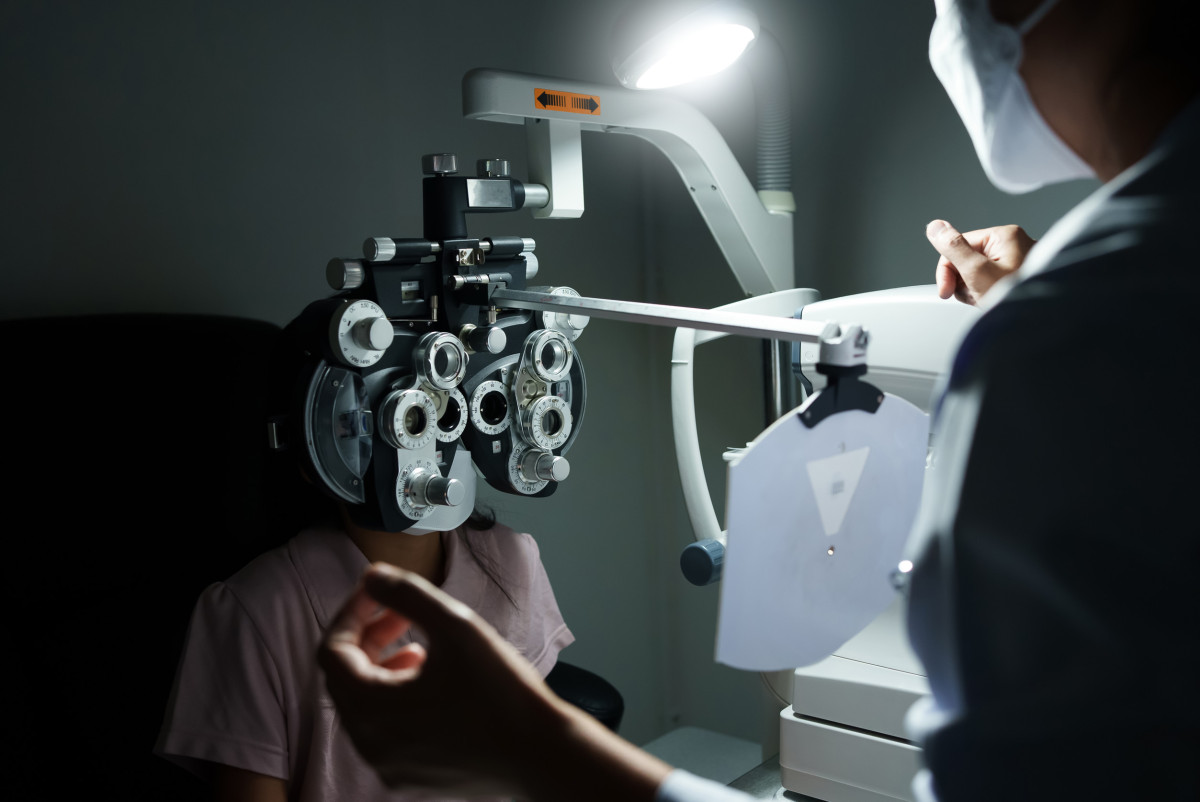
Understanding Eye Examinations and Their Role in Lifelong Vision Care
Eye examinations are structured clinical assessments designed to evaluate both vision quality and overall eye health. Unlike quick checks that focus only on reading letters from a chart, comprehensive eye examinations examine how the eyes function together, how clearly a person sees at different distances, and whether underlying conditions may be affecting the eyes.
At Optic Edge, eye examinations are tailored to each patient’s age, lifestyle, and visual demands. For adults, this may include managing digital eye strain, updating prescriptions, or monitoring age-related changes. For children, eye examinations support learning, development, and coordination during critical growth phases.
Regular eye examinations contribute to early diagnosis, better treatment outcomes, and improved quality of life, especially when vision changes develop gradually and go unnoticed.
What Happens During a Comprehensive Eye Examination at Optic Edge
A comprehensive eye examination consists of multiple stages, each designed to assess a different aspect of visual performance and eye health. Optic Edge optometrists follow a structured approach to ensure no detail is overlooked.
Patient History and Lifestyle Assessment
The eye examination process begins with a detailed patient history. This step allows the optometrist to understand any existing vision concerns, previous prescriptions, family eye health history, and general health factors that may influence vision.
Lifestyle factors such as occupation, screen exposure, driving habits, reading frequency, and outdoor activities are also considered. These insights help guide testing and ensure the eye examination addresses real-world visual demands rather than relying solely on standard measurements.
For children’s eye tests, history may include academic performance, attention levels, eye rubbing, headaches, or difficulty reading.
Vision Testing and Prescription Accuracy
Vision testing forms a core component of eye examinations. This includes assessing distance vision, near vision, and intermediate vision to determine how clearly each eye sees independently and how the eyes work together.
Prescription checks are performed with precision to identify refractive errors such as short-sightedness, long-sightedness, and astigmatism. Optic Edge eye examinations focus on accuracy and comfort, ensuring prescriptions support clear vision without strain.
In children’s eye tests, vision testing also assesses focusing ability and eye coordination, both of which are essential for reading and classroom learning.
Eye Health Evaluation and Disease Screening
Beyond vision clarity, comprehensive eye examinations assess the physical health of the eyes. Optometrists examine the front and back of the eye to identify signs of conditions such as glaucoma, cataracts, macular degeneration, and retinal abnormalities.
These checks are especially important because many eye diseases develop without early symptoms. Eye examinations provide a proactive approach to detecting changes before they impact vision permanently.
Optic Edge eye examinations incorporate thorough eye health evaluations for patients of all ages, supporting long-term vision preservation across the Western Cape and Free State.
Eye Examinations vs Vision Screening: Why the Difference Matters
Vision screening and eye examinations are often confused, but they serve very different purposes. Vision screening is a basic check designed to identify obvious visual difficulties, often performed at schools or workplaces. While useful as an initial indicator, screening does not diagnose conditions or assess eye health.
Eye examinations, by contrast, are clinical assessments conducted by qualified optometrists. They provide a complete evaluation of vision quality, eye coordination, and ocular health.
For children, relying solely on vision screening can result in undetected problems that affect learning and development. Optic Edge emphasises that vision screening should never replace comprehensive children’s eye tests conducted during formal eye examinations.
Why Children’s Eye Tests Require Comprehensive Eye Examinations
Children’s vision develops rapidly during early childhood and continues to evolve throughout school years. Eye examinations play a crucial role in identifying issues that may not be obvious to parents or teachers.
How Vision Develops in Children
Vision development involves more than seeing clearly. It includes eye teaming, tracking, focusing, and visual processing skills. If these areas are underdeveloped or imbalanced, children may struggle with reading, writing, and concentration.
Comprehensive children’s eye tests assess these skills in detail, ensuring visual development aligns with academic and physical milestones.
Common Childhood Vision Problems That Screenings Miss
Many childhood vision problems are not detected through standard vision screening. These include focusing difficulties, binocular vision issues, and subtle prescription imbalances.
Eye examinations at Optic Edge identify these concerns early, allowing corrective measures to be introduced before learning challenges escalate. This proactive approach supports both academic performance and confidence in children.
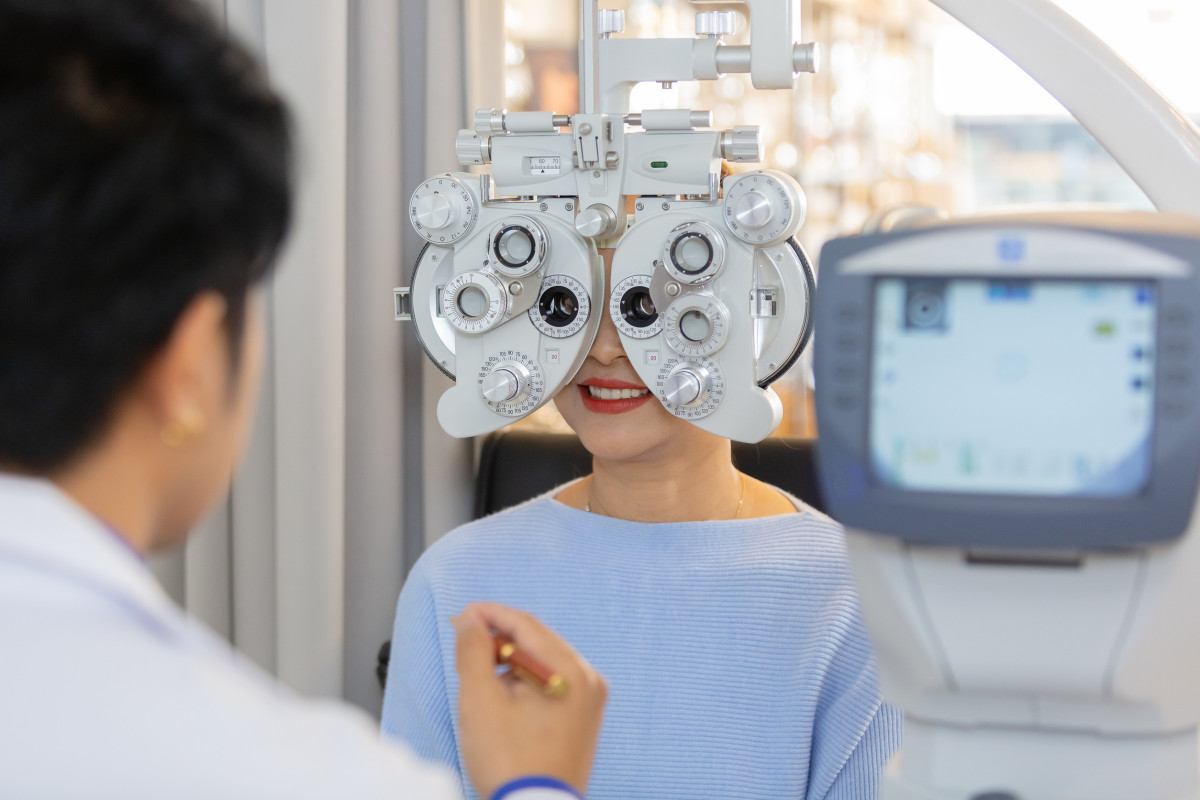
When to Book an Eye Examination: Symptoms and Recommended Intervals
Knowing when to schedule eye examinations is essential for maintaining healthy vision.
Signs Adults Should Not Ignore
Adults should book eye examinations if experiencing headaches, blurred vision, eye strain, sensitivity to light, or difficulty focusing at different distances. These symptoms often indicate prescription changes or early eye health issues.
Even without symptoms, routine eye examinations remain important due to gradual vision changes that may go unnoticed.
How Often Adults Should Have Eye Examinations
Most adults benefit from eye examinations every one to two years, depending on age, visual demands, and existing conditions. Individuals with specific risk factors may require more frequent assessments.
Optic Edge provides guidance on appropriate examination intervals based on individual needs.
How Often Children’s Eye Tests Should Be Booked
Children’s eye tests are recommended before school entry and regularly throughout schooling years. Annual eye examinations help track visual development and support learning consistency.
The Role of Prescription Checks in Eye Examinations
Prescription checks ensure that corrective lenses remain accurate and comfortable. Over time, even minor prescription changes can lead to eye strain, headaches, or reduced visual clarity.
Eye examinations at Optic Edge include detailed prescription verification, ensuring lenses support daily activities such as reading, driving, and screen use. For children, accurate prescriptions are essential for classroom engagement and visual confidence.
Why Optic Edge Eye Examinations Support Better Eye Health Across the Western Cape and Free State
Optic Edge provides comprehensive eye examinations designed to meet the diverse needs of individuals and families across the Western Cape and Free State. By combining clinical expertise with modern diagnostic techniques, Optic Edge ensures that eye examinations deliver meaningful insights into both vision and eye health.
With a focus on thorough assessment rather than quick screening, Optic Edge supports preventative eye care and informed vision management for patients at every stage of life.
Frequently Asked Questions About Eye Examinations by Optic Edge
What is included in a comprehensive eye examination at Optic Edge?
A comprehensive eye examination at Optic Edge includes patient history review, vision testing, prescription checks, and detailed eye health assessments. The examination evaluates how clearly each eye sees, how the eyes work together, and whether any underlying conditions are present. Eye health evaluations examine the internal and external structures of the eye to detect early signs of disease. This structured approach ensures that both visual performance and long-term eye health are addressed during every appointment.
How are eye examinations different from vision screening?
Eye examinations provide a full clinical assessment conducted by a qualified optometrist, while vision screening offers only a basic indication of visual clarity. Vision screening cannot diagnose eye conditions or assess eye health. Eye examinations evaluate prescription accuracy, eye coordination, and ocular health in detail. For children, this distinction is critical, as many vision problems affecting learning are not detected through screening alone. Comprehensive eye examinations provide clarity and preventative care.
Why are children’s eye tests important even if there are no symptoms?
Children may not recognise or communicate vision difficulties, making regular children’s eye tests essential. Many vision problems develop gradually and do not cause obvious symptoms. Eye examinations assess focusing ability, eye alignment, and visual processing, all of which support learning and development. Identifying issues early allows for timely intervention, preventing academic challenges and supporting confidence in classroom environments.
How often should eye examinations be booked for adults?
Adults are generally advised to book eye examinations every one to two years, depending on age, health, and visual demands. Individuals who use screens extensively, drive regularly, or have existing eye conditions may require more frequent assessments. Regular eye examinations help maintain accurate prescriptions and detect early signs of eye disease, supporting long-term visual comfort and eye health.

Can eye examinations detect health issues beyond vision problems?
Yes, eye examinations can reveal signs of systemic health conditions such as diabetes and high blood pressure. Changes in the blood vessels and structures within the eye may indicate underlying health concerns. Eye examinations therefore play an important role in broader health monitoring, offering insights that extend beyond vision correction and contributing to overall wellbeing.
Why Comprehensive Eye Examinations Matter at Every Stage of Life
Comprehensive eye examinations play an essential role in protecting vision, supporting eye health, and identifying potential issues before they affect daily life. From detecting subtle prescription changes to identifying early signs of eye conditions, eye examinations provide far more insight than basic vision screening alone. This is particularly important for children, where undetected vision problems can influence learning, development, and confidence.
Optic Edge continues to emphasise the importance of regular eye examinations for both adults and children across the Western Cape and Free State. By offering thorough assessments that evaluate vision clarity, eye coordination, and overall eye health, Optic Edge supports informed eye care decisions and long-term visual wellbeing. Routine eye examinations remain one of the most effective ways to maintain clear, comfortable vision throughout every stage of life.

Contact Information:
Optic Edge Optometrists
Winkel 9, De Korenvlij Voortrekker Rd
Malmesbury, Western Province 7299
South Africa
Heinrich du Plessis
+27 84 548 8540
https://opticedge.co.za/

Original Source: https://opticedge.co.za/media-room/#/media-room