In Bloom Lawn & Landscape Explains How Irrigation Adjustments and Seasonal Care Stop Fungal Issues
Sarasota, United States – October 30, 2025 / In Bloom Lawn & Landscape /
With temperatures moderating across the Gulf Coast, lawn care professionals are warning Sarasota homeowners about a common mistake that leads to costly fungal disease problems each fall. According to In Bloom Lawn & Landscape, many property owners continue summer irrigation schedules well into cooler months, creating the perfect conditions for brown patch, gray leaf spot, and other diseases that damage Florida lawns. The company has released a detailed fall landscape maintenance checklist explaining how proper seasonal adjustments prevent these problems while reducing water waste.
Why Fall Creates Perfect Conditions for Lawn Disease
The combination of excessive irrigation and cooler overnight temperatures creates an environment where fungal diseases thrive. During summer, lawns need frequent watering to survive intense heat and rapid evaporation. However, as fall arrives and nighttime temperatures drop into the 60s and 70s, continuing the same watering schedule keeps grass blades wet for extended periods.
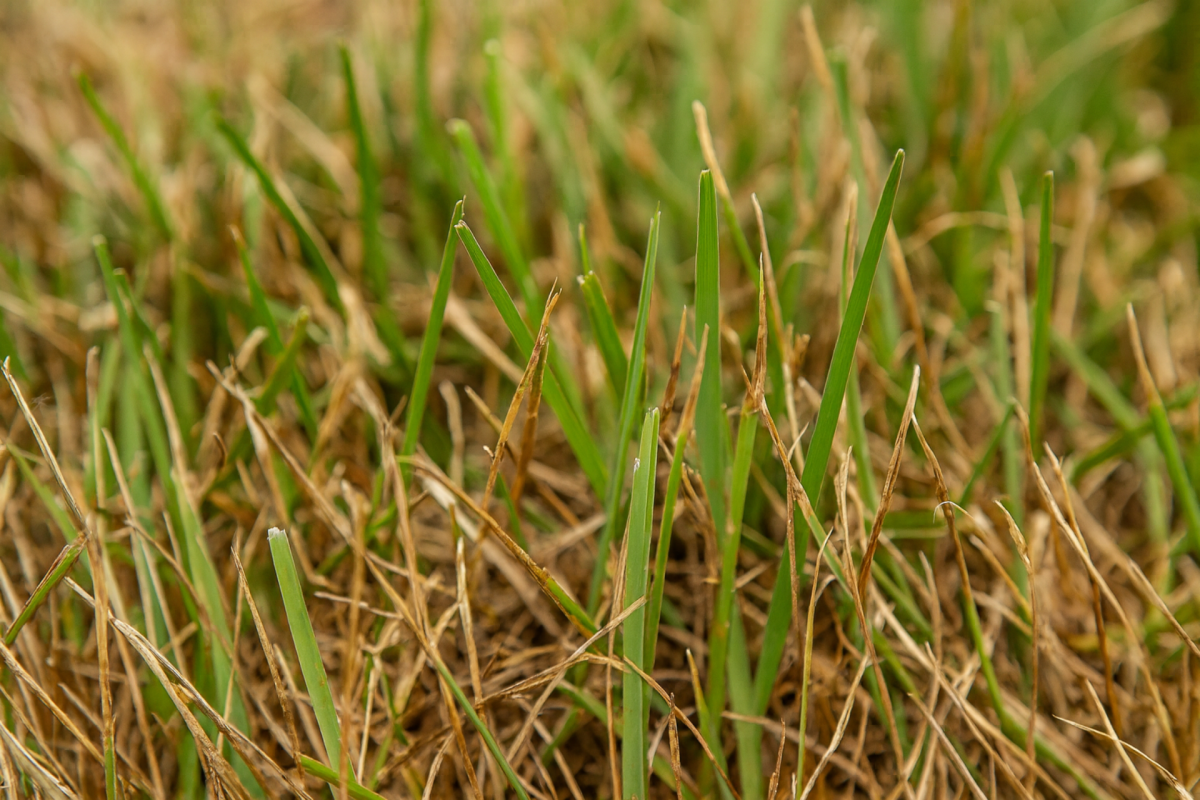
Brown patch disease spreads rapidly when moisture remains on grass overnight during cooler weather. This fungal infection creates circular brown patches that can expand quickly across lawns, requiring fungicide treatments and extended recovery periods. The disease damages grass at the crown level, making recovery slow and sometimes requiring reseeding of affected areas.
Gray leaf spot appears as small lesions on grass blades that eventually merge, causing extensive blade death. St. Augustine grass shows particular vulnerability to this disease when over-watered during fall months. Infected lawns develop a ragged, unhealthy appearance that significantly impacts property aesthetics.
Dollar spot fungus creates small, silver dollar-sized brown patches throughout lawns. While individual spots appear minor, severe infections can merge and affect large turf areas. The disease weakens grass, making it more susceptible to other stress factors.
Beyond immediate disease problems, excessive fall irrigation creates long-term lawn health issues. Grass roots remain shallow when water stays constantly available at the surface. These shallow root systems make lawns vulnerable during any dry periods and reduce overall turf resilience. Weak root systems also struggle to absorb nutrients efficiently, requiring additional fertilization to maintain acceptable appearance.
Consistently wet conditions also encourage weed germination and growth. Many problematic weed species thrive in moist environments, turning what started as a simple irrigation timing issue into a comprehensive lawn care challenge requiring multiple interventions.
Understanding Grass-Specific Fall Watering Needs
Different grass types popular in Sarasota landscapes have varying water requirements during fall months. Understanding these differences helps homeowners avoid both over-watering and under-watering problems.
St. Augustine grass, the most common turf type in the area, performs best with once-weekly watering during fall. Each irrigation cycle should deliver 0.5 to 0.75 inches of water. This schedule provides adequate moisture while allowing grass blades to dry completely between waterings, preventing the extended wet periods that encourage disease.
Bahia grass demonstrates exceptional drought tolerance and requires even less frequent watering. During fall months, irrigation once every 10 to 14 days typically provides sufficient moisture. This grass type actually performs better with longer intervals between watering, encouraging deeper root development.
Zoysia grass shares similar requirements with St. Augustine, needing once-weekly irrigation during fall months. This grass variety shows good disease resistance when properly managed but becomes susceptible to fungal problems when over-watered.
Several signs indicate watering schedules need adjustment. Grass blades remaining wet into late morning hours signal excessive watering frequency or duration. Mushroom growth in lawns provides clear evidence of over-watering, as does a spongy feeling when walking across turf. Water pooling on the surface after irrigation cycles indicates either too much water application or poor drainage requiring separate attention.
Conversely, under-watered lawns show different symptoms. Grass blades fold or appear wilted, footprints remain visible long after someone walks across the lawn, and turf takes on a bluish-gray tint rather than healthy green color.
Comprehensive Approach to Fall Landscape Health
Proper fall maintenance extends beyond irrigation adjustments to include several interconnected tasks that protect landscape investments and prevent problems.
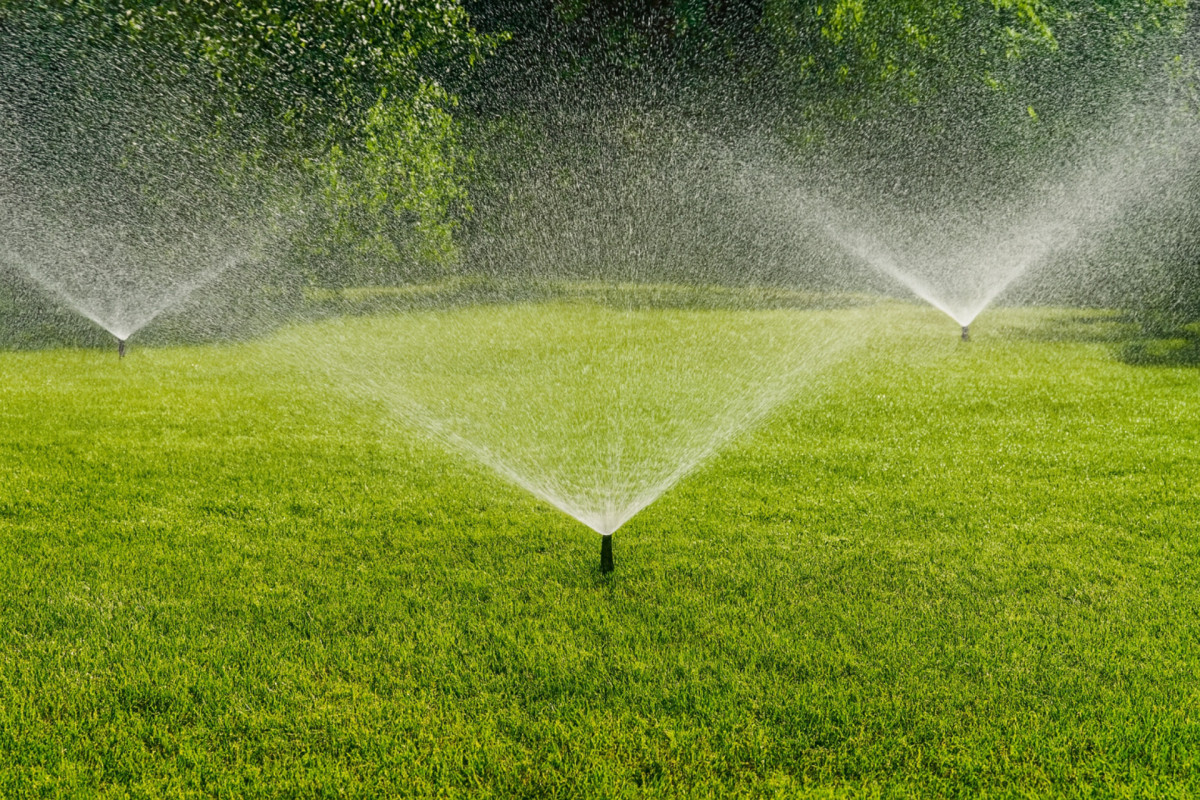
System optimization involves reviewing irrigation controller programming and reducing watering frequency to match seasonal needs. Controllers typically allow zone-by-zone adjustments, enabling homeowners to account for varying sun exposure, mature tree competition, and soil drainage characteristics across their properties. Early morning watering between 4:00 AM and 8:00 AM remains optimal year-round, allowing grass blades to dry before evening while minimizing evaporation loss.
Rain sensor installation and calibration prevents unnecessary irrigation during Florida’s fall rainy periods. These devices interrupt scheduled watering cycles when adequate rainfall has occurred, often eliminating multiple unnecessary watering sessions monthly. Sensors require periodic testing to ensure proper function, as dirty or misaligned sensors may fail to prevent watering when they should.
Component inspection identifies broken sprinkler heads, misaligned spray patterns, and pressure problems before they cause significant damage or water waste. A single broken sprinkler head running for weeks can waste thousands of gallons while creating chronically wet areas where disease develops easily.
Seasonal flower installation provides color throughout fall and winter months when installed during early fall while soil temperatures remain warm. Petunias, marigolds, begonias, salvias, and pansies all perform well in Sarasota’s fall climate. Proper installation with quality soil amendments and appropriate initial watering establishes plants quickly, after which they require minimal maintenance.
Debris removal prevents multiple problems. Accumulated leaves, palm fronds, and other organic materials block sunlight and trap moisture against grass, creating localized disease-prone areas. Debris also provides harborage for pests, creates fire hazards during dry periods, and clogs irrigation system components. Regular cleanup throughout fall prevents these issues while maintaining property appearance.
Fall planting programs take advantage of cooler temperatures and winter rainfall to establish new trees, shrubs, and landscape plants. Plants installed during fall develop extensive root systems before facing next summer’s heat, dramatically improving survival rates and reducing long-term maintenance requirements.
Technical Expertise Makes the Difference
Nearly two decades of experience working specifically in Sarasota’s climate provides insight into local challenges and effective solutions. Understanding how Gulf Coast weather patterns, soil characteristics, and seasonal transitions affect landscape health allows for proactive problem prevention rather than reactive problem solving.
Proper irrigation management requires understanding not just general best practices but specific conditions affecting individual properties. Shade patterns, mature tree root competition, soil types, drainage characteristics, and sun exposure all influence optimal watering schedules and techniques. In Bloom Lawn & Landscape applies this property-specific knowledge to create customized maintenance approaches.
Continuous training keeps teams current with evolving best practices, new disease threats, and improved management techniques. Florida’s landscape industry faces ongoing challenges from invasive species, emerging diseases, and changing environmental conditions. Staying informed ensures problems get recognized early when solutions remain simple and cost-effective.
Attention to detail separates adequate maintenance from exceptional care. Noticing early disease symptoms, catching irrigation problems before they cause damage, and timing seasonal transitions appropriately all require trained observation and experience-based judgment.
Specialized Services for Disease Prevention
Professional irrigation services address both immediate adjustments and long-term system performance. Fall evaluations examine every system component, identifying worn parts, coverage gaps, and efficiency problems. Controller programming gets optimized for fall conditions, with zone-by-zone adjustments reflecting each area’s specific needs.
Smart irrigation technology integration modernizes older systems with weather-based controllers, soil moisture sensors, and rain sensors that automatically adjust watering based on actual conditions rather than fixed schedules. These upgrades typically reduce water consumption by 20 to 40 percent while improving lawn health through more precise moisture management.
Targeted lawn care programs focus on disease prevention through proper cultural practices. This includes appropriate mowing heights for fall conditions, fertilization timing that supports root development without encouraging excessive top growth vulnerable to disease, and proactive monitoring for early disease symptoms when treatment remains most effective.
Commitment to Education and Service
Quality landscape care starts with helping property owners understand what their lawns need and why certain practices work better than others. Taking time to explain the reasoning behind recommendations helps homeowners make informed decisions about their properties.
Clear communication eliminates confusion about what services include, when work will occur, and what results to expect. Transparent pricing with detailed explanations ensures property owners understand exactly what they’re receiving.
Reliable service delivery builds trust over time. Showing up as scheduled, completing work thoroughly, and following through on commitments creates the confidence that allows homeowners to stop worrying about their landscapes.
Protecting Landscapes Through Proper Fall Care
The seasonal transition to cooler weather creates both opportunities and challenges for Sarasota landscapes. Property owners who understand proper fall irrigation scheduling, system maintenance, and seasonal tasks position their lawns for success through winter and into next year’s growing season. Those who continue summer practices often face disease problems, water waste, and unnecessary expenses.
For detailed information about fall irrigation management, seasonal planting, and comprehensive landscape care, In Bloom Lawn & Landscape provides services throughout the Sarasota area or visit their website for more information.

Contact Information:
In Bloom Lawn & Landscape
4242 Gypsy St.
Sarasota, FL 34233
United States
Contact In Bloom
(941) 946-0857
http://inbloomlawnandlandscape.com/

Original Source: https://inbloomlawnandlandscape.com/media-room/