Fall Drainage Assessments Prevent Flooding and Erosion During Winter Storm Season
Daphne, United States – October 30, 2025 / P&C Solutions /
As southern Alabama enters the critical planning window before winter storm season, property maintenance experts throughout the region emphasize the importance of comprehensive drainage evaluation and correction. While many homeowners associate winter preparation with insulation and heating systems, the Gulf Coast’s winter rainfall patterns create equally significant challenges for property drainage infrastructure.
Meteorological data consistently shows November through March brings the heaviest sustained rainfall to coastal Alabama, with winter storm systems delivering concentrated precipitation that overwhelms inadequate drainage systems. Properties that function adequately during summer’s brief afternoon thunderstorms often fail catastrophically when winter storms deliver inches of rain over sustained periods. Understanding landscape drainage solutions for Alabama properties helps homeowners identify vulnerabilities before severe weather arrives.
Why Fall Represents the Critical Action Window
October and early November provide ideal conditions for drainage work across Daphne, Fairhope, Orange Beach, Foley, and surrounding communities. Relatively dry weather allows accurate assessment of existing drainage patterns and enables effective excavation and grading corrections before winter rains begin.
Attempting drainage repairs during active storm periods creates multiple complications. Saturated soil prevents proper compaction and settling. Standing water obscures problem areas and makes accurate grading impossible. Contractor availability diminishes as emergency calls overwhelm service schedules. Material delivery and equipment operation face weather-related delays that extend project timelines.
The seasonal timing also allows newly installed drainage systems to settle and stabilize before facing their first major test. French drains, catch basins, and grading corrections need several weeks to properly integrate with existing soil conditions. Systems installed immediately before heavy rains may shift or fail before achieving optimal performance.
Understanding Coastal Alabama’s Unique Drainage Challenges
Southern Alabama’s geological and climatic conditions create drainage challenges distinct from other regions. The Gulf Coast’s relatively flat topography provides minimal natural slope for water movement. Heavy clay soils common throughout the area drain slowly and retain moisture, creating saturated conditions that persist long after rainfall ends.
Coastal water tables sit closer to the surface than inland areas, reducing the soil’s capacity to absorb additional water during storm events. Sandy soils near the beach drain quickly but provide minimal filtration, while clay-heavy soils inland create the opposite problem. Many properties feature soil transitions where different geological layers meet, creating natural barriers to proper drainage.
Developed properties face additional complications. Driveways, patios, and other hardscaping eliminate permeable surfaces that once absorbed rainfall. Compacted soil from construction equipment reduces natural drainage capacity. Landscape modifications that seemed minor when installed create cumulative effects that redirect water flow in problematic ways.
Winter storm patterns compound these challenges. Unlike summer’s brief, intense thunderstorms, winter systems deliver moderate to heavy rainfall over extended periods. Soils reach saturation quickly and remain waterlogged for days. Each subsequent storm arrives before the previous event’s moisture fully drains, creating progressive flooding that worsens throughout the season.
Common Drainage Problems That Emerge During Winter
Standing water in yards represents the most visible drainage failure, but numerous subtle problems cause equally significant damage. Water pooling against foundations creates moisture intrusion into crawl spaces and basements. Hydrostatic pressure from saturated soil pushes against foundation walls, causing cracks and structural movement over time.
Erosion channels form where concentrated water flow cuts through landscaping and exposed soil. What begins as minor channeling during one storm becomes deeper gullies with each subsequent rainfall. This erosion undermines hardscaping, exposes plant roots, and carries topsoil away from garden beds and lawn areas.
Saturated soil conditions stress trees and shrubs adapted to well-drained environments. Root rot develops when plants sit in waterlogged conditions for extended periods. Fungal diseases spread rapidly in perpetually moist conditions. Lawns develop bare patches where grass drowns from inadequate oxygen reaching root zones.
Driveway and walkway damage accelerates when water infiltrates beneath pavement surfaces. Freeze-thaw cycles, though mild in Alabama, still cause expansion and contraction that breaks apart concrete and asphalt undermined by water. Pavers shift and settle unevenly when the base material remains saturated.
Comprehensive Drainage Solutions for Alabama Properties
Effective drainage correction begins with thorough property assessment. Professional evaluation identifies water sources, flow patterns, and accumulation points. Understanding where water enters the property, how it moves across surfaces, and where it concentrates allows targeted solutions rather than scattered interventions.
Proper grading and drainage systems establish the foundation for water management. Properties should slope away from structures at a minimum grade of two percent, directing surface water toward designated collection or dispersal areas. This fundamental correction addresses many drainage problems at their source.
French drains provide underground water collection and redirection for areas where surface grading alone proves insufficient. These gravel-filled trenches with perforated pipe capture subsurface water and channel it away from problem areas. Strategic placement intercepts water before it reaches foundations, lawns, or other vulnerable locations.
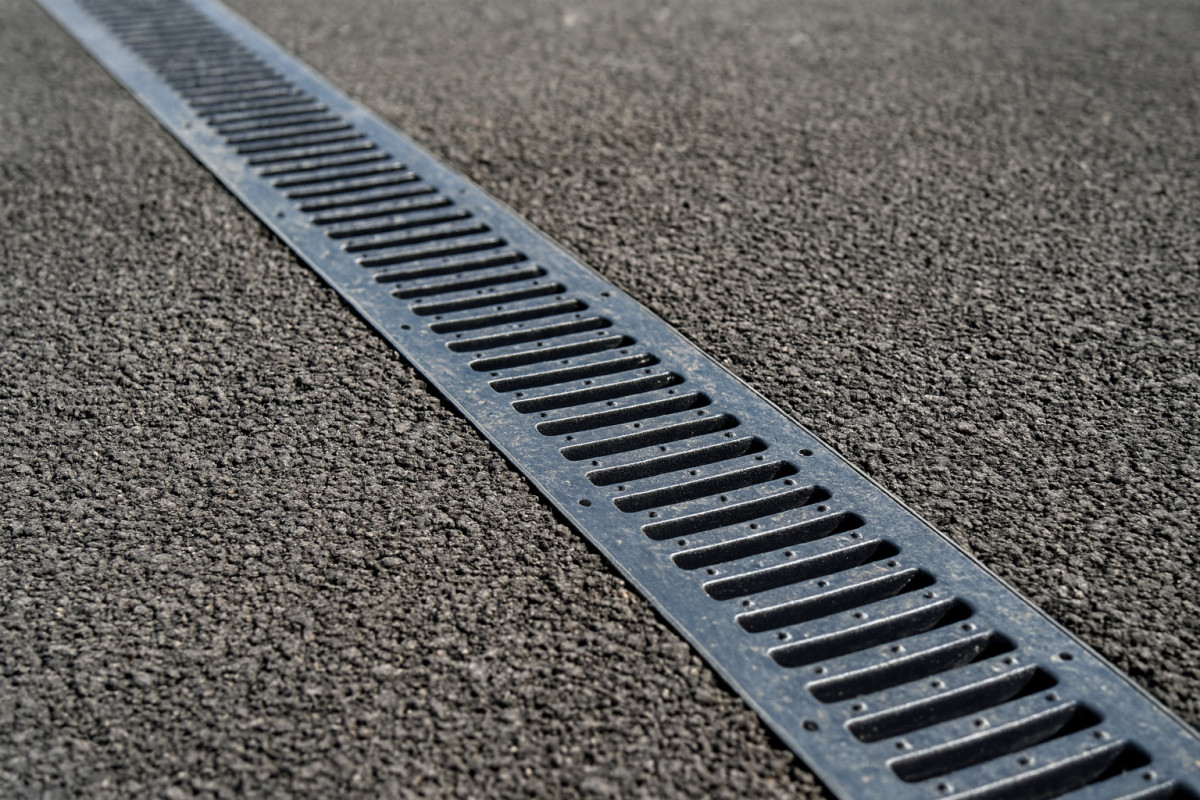
Catch basins collect surface water at low points where natural drainage concentrates. These structures capture runoff and direct it into underground piping that carries water to appropriate discharge locations. Multiple catch basins connected through underground piping create comprehensive collection systems for larger properties.
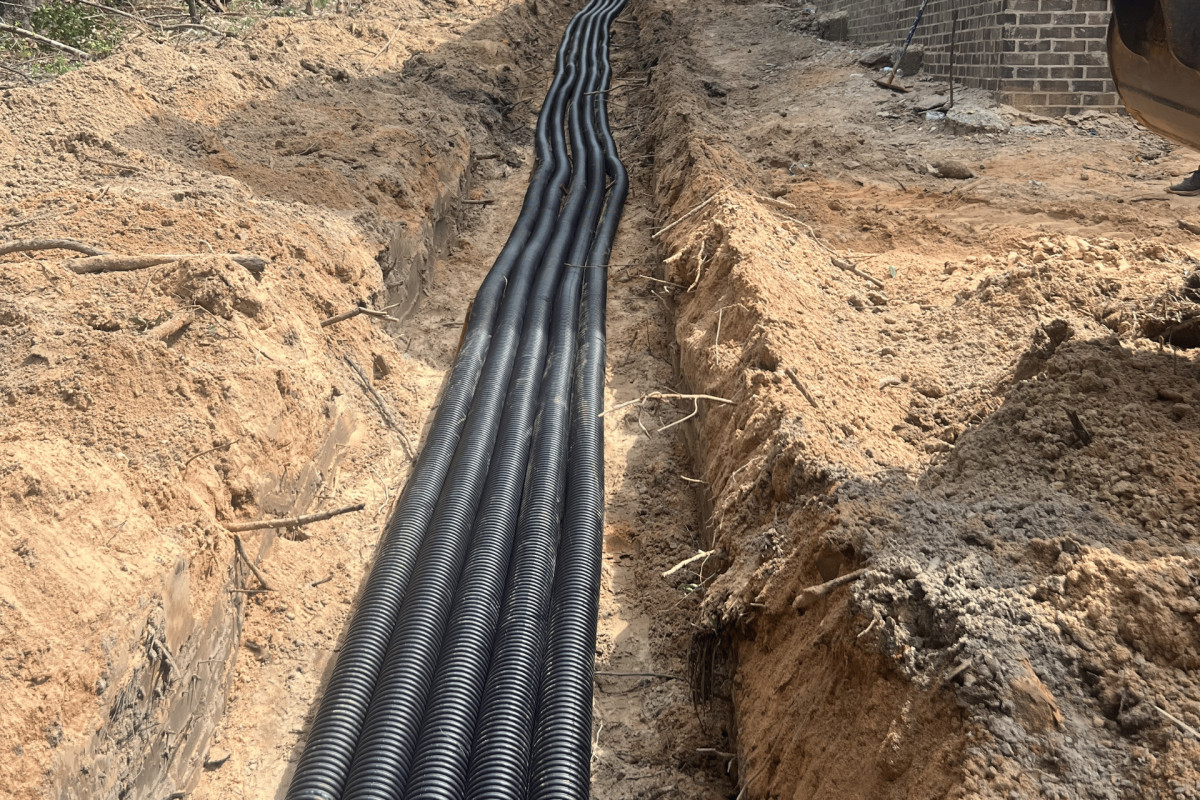
Hard pipe drainage systems use solid PVC or corrugated pipes to move large water volumes quickly and efficiently. These systems work particularly well for conveying water long distances or handling concentrated flows from downspouts, driveway runoff, or other high-volume sources.
Culvert installation manages water flow under driveways, walkways, or other obstacles. Properly sized and positioned culverts prevent water from pooling on one side of hardscaping while allowing adequate flow during peak storm events.
The Role of Professional Excavation in Drainage Solutions
Many effective drainage solutions require professional excavation services beyond typical landscaping work. Creating proper grading often involves moving substantial soil volumes and reshaping terrain to establish correct slopes. Installing underground drainage systems requires trenching at appropriate depths with proper bedding material.
Equipment requirements for drainage work exceed typical homeowner capabilities. Compact excavators, trenchers, and grading equipment allow efficient, precise work that manual methods cannot match. Professional operators understand soil conditions, compaction requirements, and proper installation techniques that ensure system longevity.
Excavation timing proves critical. Working during relatively dry fall conditions allows clean cuts, proper compaction, and stable working conditions. Attempting excavation during wet periods creates muddy messes, compromises soil structure, and produces substandard results that fail when tested by actual storm conditions.
Maintaining Drainage Systems Through Winter
Once proper drainage infrastructure exists, regular maintenance ensures continued performance. Clearing leaves and debris from catch basin grates prevents blockages that defeat the entire system. Inspecting visible drainage outlets confirms water flows freely without obstructions.
Monitoring property performance during the first significant rainfall after installation identifies any adjustments needed. Minor modifications made early prevent small issues from becoming major problems. Observing where water accumulates or flows unexpectedly allows targeted corrections while systems remain accessible.
Winter storms themselves provide valuable performance data. Properties with adequate drainage shed water quickly, showing minimal standing water within hours of rainfall ending. Persistent wet areas, erosion channels, or structural moisture indicate inadequate capacity or installation problems requiring attention.
Planning Drainage Work Before Storm Season
Property owners throughout southern Alabama should schedule drainage evaluations now while weather conditions favor accurate assessment and efficient work. Waiting until problems emerge during active storm season limits correction options and increases project costs.
Documentation of existing conditions through photographs and notes helps track problem areas and communicate issues to contractors. Identifying specific locations where water accumulates, erosion occurs, or moisture intrudes provides actionable information for professional assessment.
For comprehensive drainage evaluation and correction services throughout Daphne, Fairhope, Orange Beach, Foley, and Loxley, P&C Solutions provides expert grading, excavation, and drainage installation. Their experienced team understands coastal Alabama’s unique challenges and delivers solutions that protect properties through winter storm season and beyond. Contact P&C Solutions at (251) 850-5884 for fall drainage assessment.

Contact Information:
P&C Solutions
25690 County Rd 54 W
Daphne, AL 36526
United States
Contact P&C Solutions
(251) 850-5884
https://pcsolutionllc.com/

Original Source: https://pcsolutionllc.com/media-room/