WEST ORANGE, NJ, UNITED STATES, November 12, 2026 /EINPresswire.com/ — The structural layout of domestic family leisure travel is experiencing an operational evolution as multi-generational travel cohorts prioritize strategic activity pacing and nature-integrated environments to combat destination fatigue. According to national consumer tracking data from the 2025 Family Travel Survey, published by the Family Travel Association (FTA) in collaboration with the NYU School of Professional Studies, nearly 73% of traveling parents rank logistical simplicity and stress mitigation as their primary criteria when organizing multi-day itineraries. Furthermore, research indicates a sustained macro-environmental pivot toward hybrid vacation models that intentionally combine active outdoor recreation with structured, educational attractions. This behavioral shift is prompting family travel coordinators to modify traditional routing frameworks, seeking decentralized lodging bases that insulate youth cohorts from sensory overload while containing escalating urban travel expenditures.
This focus on cost containment and spatial flexibility is fundamentally changing how family groups and vacation coordinators structure regional agendas within major metropolitan zones. When evaluating overnight options and auditing viable family-friendly activities in West Orange NJ has materialized within search parameters as a premium alternative for travel planners seeking to avoid the high overhead, dense vehicle gridlock, and hyper-congestion of core Manhattan corridors. Industry tracking from the U.S. Travel Association demonstrates that drive-market leisure travel constitutes a primary volume anchor for regional tourism economies, with travel parties heavily prioritizing drive-to destinations that offer predictable vehicle management and unhindered transit access. By shifting their overnight footprint to proximate, transit-connected suburban sub-markets, family circles can preserve their collective travel capital while protecting younger travelers from the exhaustion typical of centralized urban centers.
The Essex County Greenbelt and its adjacent preservation corridors serve as a functional geographic framework for this distributed family travel model. Long recognized as an ecotourism oasis within the Northern New Jersey landscape, this sub-market allows visiting families to construct a highly varied, kid-approved itinerary within a compressed geographic boundary. The local geography allows traveling cohorts to transition rapidly from close-encounter red panda exhibits at the Turtle Back Zoo to high-velocity treetop zip-lining and canopy navigation across the South Mountain Reservation. This unique concentration of open-air adventure assets, paired with organized recreation lines at the Richard J. Codey Skating Arena, establishes a restorative cadence that gives youth cohorts a necessary psychological break from enclosed environments without sacrificing proximity to primary metropolitan networks.
Hospitality operators situated along these transit-accessible secondary corridors are organizing their physical facilities and service delivery models to absorb this influx of value-conscious family groups. The Residence Inn by Marriott West Orange serves as a practical model of a hospitality asset aligned with these changing family distribution patterns. Positioned a mere five-minute dash down Northfield Avenue to the Turtle Back Zoo complex, the property operates as a frictionless family base camp that removes the operational complexity of loading and unloading vehicles across distant municipal grids. The property’s multi-room suite configurations address the rising demand from family travelers for spatial segregation and independent food-preparation resources. By providing fully realized kitchen layouts under one roof, the asset enables parents to efficiently pack and store trail provisions, completely dodging the premium concession markups of amusement facilities while giving everyone an independent living zone to decompress following high-octane outdoor safaris.
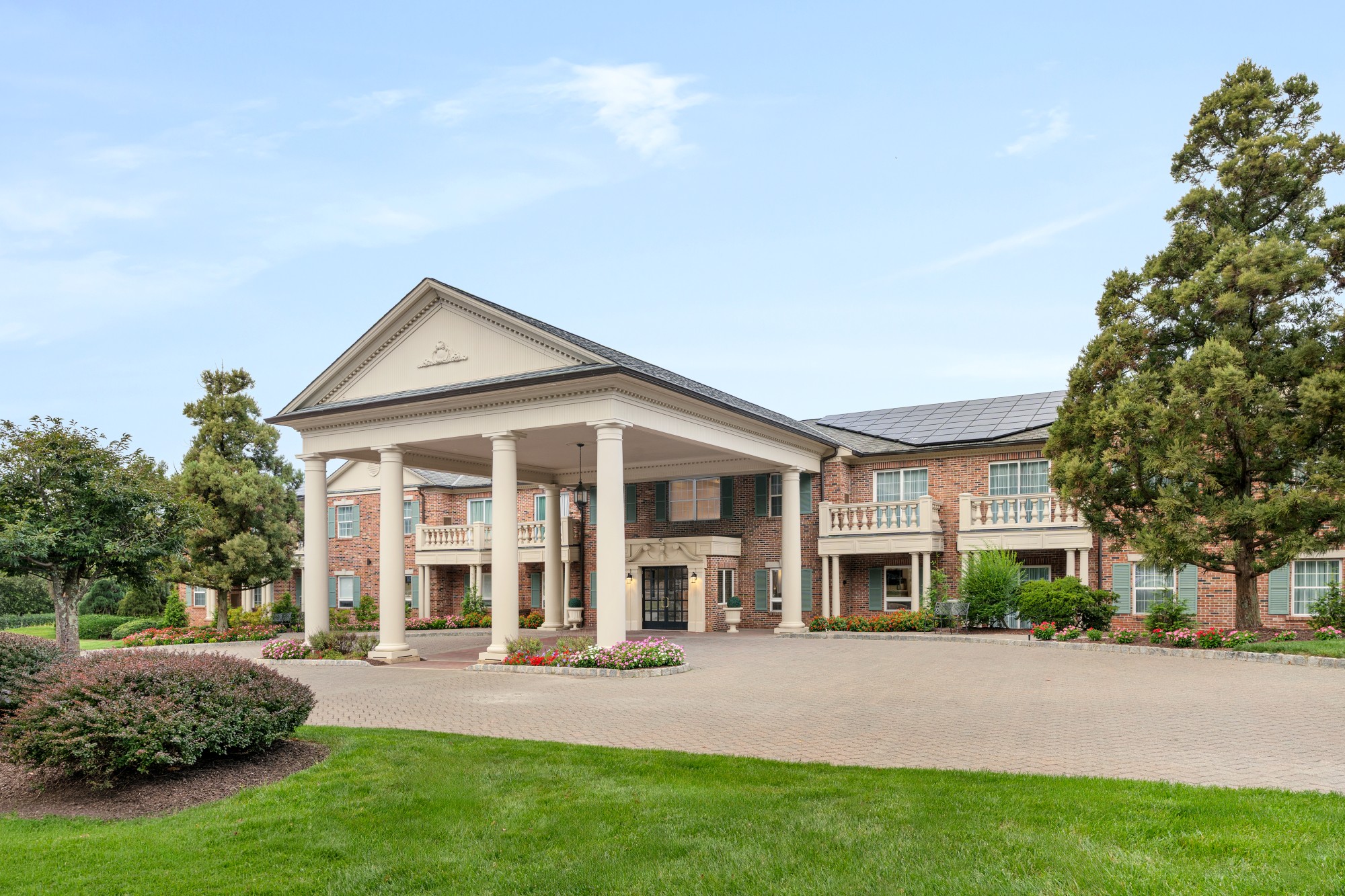
Architecturally, the Residence Inn by Marriott West Orange comprises a three-story single-building structural layout originally constructed in 2002 and updated via a comprehensive renovation in 2019, housing a total inventory of 128 all-suite guest accommodations. The property’s inventory is distributed across spacious Studio, One-Bedroom, and Two-Bedroom layouts ranging up to 850 square feet. The property incorporates 2,394 square feet of total indoor meeting and event infrastructure distributed across three distinct configurations, anchored by the 1,240-square-foot Hearth Room and the 850-square-foot Manor Room. On-site functional assets include a heated indoor swimming pool, a heated spa whirlpool, a 24-hour self-service business center, an on-site minimarket, a fitness room furnished with contemporary cardiovascular training equipment, a complimentary hot American breakfast buffet, and an outdoor courtyard space equipped with community barbecue grills and fire pits. Every individual guest suite is standardly configured with separate living and sleeping areas, executive workspaces with desks, high-speed wireless connectivity, and a fully equipped kitchen area featuring a stovetop, microwave oven, full-size refrigerator, dishwasher, cookware, and complete tableware sets.
Laurean Love
HHM Hotels
+1 215-238-1046
email us here
Visit us on social media:
Instagram
Facebook
Other
Legal Disclaimer:
EIN Presswire provides this news content “as is” without warranty of any kind. We do not accept any responsibility or liability
for the accuracy, content, images, videos, licenses, completeness, legality, or reliability of the information contained in this
article. If you have any complaints or copyright issues related to this article, kindly contact the author above.

Media gallery