Winter Safety: Essential Electrical Checks for Your Business
Des Moines, United States – November 6, 2025 / Rewired Iowa Electrician Des Moines /
As winter approaches in Des Moines, facility managers must prioritize the safety and compliance of their commercial electrical systems. The cold weather can bring unique challenges, including increased foot traffic in retail spaces and the potential for electrical failures during peak operational times. Regular maintenance and upgrades to commercial electrical systems are essential to prevent costly downtime and ensure that businesses can operate smoothly throughout the winter season.
The risk of deferring maintenance is significant. Failing to address electrical issues can lead to unexpected outages, failed inspections, and potential insurance complications. Facility managers must be proactive in ensuring that their electrical systems are up to code and functioning properly. This is especially important as the winter months can bring harsh weather conditions that may exacerbate existing electrical problems.
To help facility managers prepare for the winter season, here are several practical checks that should be performed on commercial electrical systems:
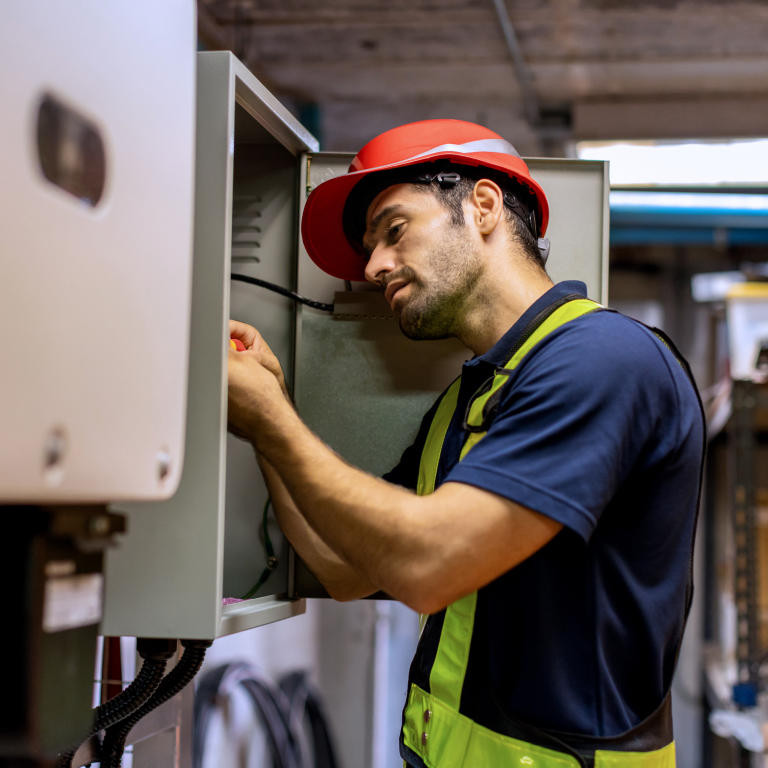
1. Inspect Electrical Panels: Facility managers should have their electrical panels inspected for any signs of wear or damage. This includes checking for rust, corrosion, or loose connections. Regular inspections can help identify potential issues before they lead to failures. This check typically takes about one hour and should be performed by a licensed electrical contractor.
2. Upgrade Service Capacity: As businesses grow, their electrical needs may change. Upgrading service capacity can ensure that the electrical system can handle increased loads, especially during busy winter months. This process can take several hours to a day, depending on the complexity of the upgrade, and should be handled by a qualified commercial electrician.
3. Test Smoke and Carbon Monoxide Detectors: Ensuring that smoke and carbon monoxide detectors are functioning properly is crucial for safety. Facility managers should test these devices monthly and replace batteries as needed. This simple check can take about 30 minutes and can be performed by in-house staff or an electrical contractor.
4. Check Emergency Lighting and Exit Signs: Emergency lighting and exit signs must be operational to ensure safety during emergencies. Facility managers should conduct monthly tests to verify that these systems are working correctly. This check typically takes about one hour and can be done by a commercial electrician.
5. Install GFCI and AFCI Protection: Ground Fault Circuit Interrupters (GFCIs) and Arc Fault Circuit Interrupters (AFCIs) are essential for preventing electrical shocks and fires. Facility managers should ensure that these devices are installed in appropriate locations, such as kitchens and bathrooms. Installation can take a few hours and should be performed by a licensed electrical contractor.
6. Label Electrical Panels and Circuits: Proper labeling of electrical panels and circuits is vital for safety and efficiency. Facility managers should ensure that all circuits are clearly labeled to facilitate quick identification during maintenance or emergencies. This task can take a few hours and can be done by in-house staff or an electrical contractor.
7. Implement Surge Protection: Installing surge protection devices can help safeguard electrical equipment from power surges caused by storms or other factors. Facility managers should consider installing these devices to protect their investments. Installation can take a few hours and should be performed by a qualified commercial electrician.
8. Conduct Preventive Maintenance: Regular preventive maintenance is essential for keeping electrical systems in good working order. Facility managers should schedule routine inspections and maintenance to identify and address potential issues before they escalate. This ongoing process can vary in time but is crucial for long-term safety and compliance.
In addition to these checks, here are some pro tips for facility managers to consider:
– Breaker Coordination: Ensure that breakers are properly coordinated to prevent nuisance tripping and to enhance safety during maintenance.
– Labeling: Invest time in labeling all circuits and panels clearly to streamline future maintenance and inspections.
– After-Hours Swap Strategy: Plan electrical upgrades or repairs during after-hours to minimize disruption to business operations.
– Phased Upgrades: Consider implementing upgrades in phases to spread out costs and minimize downtime.
To illustrate the importance of these checks, consider a recent case involving a retail store in Des Moines. The facility manager noticed flickering lights and frequent circuit breaker trips. After conducting a thorough inspection, it was determined that the electrical panel was outdated and unable to handle the store’s increased load. The manager decided to upgrade the panel and install additional GFCI protection. As a result, the store experienced fewer outages, improved safety, and a more reliable electrical system. The investment in upgrades paid off quickly, as the store avoided costly downtime during the busy holiday season.
When calculating the return on investment (ROI) for electrical upgrades, facility managers can consider the potential costs of downtime versus the cost of preventive maintenance. For example, if a business loses $1,000 per hour during an outage and an upgrade costs $5,000 but prevents just five hours of downtime, the ROI is significant. In this case, the business saves $5,000 in potential losses, making the upgrade a wise investment.
Facility managers often have questions regarding electrical maintenance and upgrades. Here are some frequently asked questions:
1. Do I need permits for electrical upgrades? Yes, most electrical upgrades require permits to ensure compliance with local codes and regulations.
2. What are the lead times for electrical work? Lead times can vary based on the complexity of the project and the availability of materials. It’s best to consult with your electrical contractor for specific timelines.
3. Can work be done after hours? Yes, many electrical contractors offer after-hours services to minimize disruption to business operations.
4. When should I schedule inspections? It’s advisable to schedule inspections before the winter season to ensure that all systems are functioning properly.
5. What documentation do I need for inspections? Keep records of all maintenance and upgrades, including permits and inspection reports, to ensure compliance and facilitate future inspections.
As winter approaches, facility managers in Des Moines should prioritize the safety and compliance of their commercial electrical systems. By conducting regular checks and implementing necessary upgrades, businesses can avoid costly downtime and ensure a safe environment for employees and customers alike.
Facility managers are encouraged to book a safety and compliance site walk this week to assess their electrical systems and develop a panel and service upgrade plan. After-hours appointments are available to accommodate busy schedules.
For more information, book a site survey today.
Learn more on https://rewirediowa.com/our-services/commercial-electrician/

Contact Information:
Rewired Iowa Electrician Des Moines
2612 E 48th St
Des Moines, Iowa 50317
United States
John Senn
15156195349
https://rewirediowa.com


