CRS Renovations & Design Implements Cold Climate Construction Standards for Flathead Valley Properties
Kalispell, United States – January 12, 2026 / CRS Renovations /
Remodeling Contractor in Kalispell, MT Prioritizes Climate-Appropriate Construction Methods
CRS Renovations & Design, a dedicated remodeling contractor in Kalispell, MT, continues refining construction approaches specifically designed for Montana’s challenging climate conditions. The company specializes in kitchen remodeling, bathroom renovations, home additions, post-frame home construction, and custom deck building throughout the Flathead Valley region. Montana’s extreme temperature swings, heavy snow loads, and dry climate require specialized material selection, insulation strategies, and construction techniques that differ significantly from moderate climate building practices, making local expertise essential for long-term renovation success and energy efficiency.

Insulation Standards Exceed Minimum Code Requirements
Montana’s winter temperatures regularly drop below zero, making proper insulation critical for comfort, energy costs, and preventing freeze-related damage to plumbing and building materials. Effective insulation packages include upgraded wall cavity insulation, continuous exterior insulation, sealed attic spaces, and attention to thermal bridging that creates cold spots and condensation issues. Professional insulation installation techniques in remodeling projects address existing deficiencies while integrating new construction seamlessly with older building sections. Higher R-values appropriate for Montana’s climate zone reduce heating costs substantially while improving comfort and reducing strain on HVAC systems during extended cold periods.
Moisture Management Prevents Structural Deterioration
Montana’s low humidity combined with significant indoor-outdoor temperature differences creates condensation challenges within wall assemblies, requiring vapor barriers, proper ventilation, and moisture-resistant materials. Bathroom and kitchen remodeling projects particularly benefit from enhanced moisture control strategies including exhaust ventilation, water-resistant backing materials, and proper flashing around windows and penetrations. Understanding moisture control principles prevents mold growth, wood rot, and insulation degradation that compromise structural integrity and indoor air quality. Vapor barrier placement, ventilation strategies, and material selection vary based on climate zone and building assembly design, requiring expertise in cold climate construction science.
Post-Frame Construction Offers Versatile Building Solutions
Post-frame building methods provide cost-effective, energy-efficient structures suitable for workshops, garages, barns, and even residential spaces, with open interior layouts and flexible design possibilities. This construction technique uses embedded posts rather than traditional foundations, reducing excavation costs while providing excellent structural strength for heavy snow loads common in Montana. Modern post-frame building practices incorporate insulation packages, interior finishes, and architectural details that create comfortable, attractive spaces at lower costs than conventional construction. The building method’s efficiency makes it particularly suitable for home additions, accessory dwelling units, and outbuildings where traditional construction proves cost-prohibitive.
Deck Materials Withstand Temperature Extremes
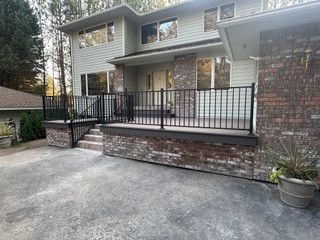
Outdoor deck construction in Montana requires materials and installation methods that accommodate significant expansion and contraction cycles caused by temperature fluctuations exceeding 100 degrees annually. Composite decking, properly spaced wood decking, corrosion-resistant fasteners, and appropriate joist spacing ensure structural integrity and appearance longevity despite harsh environmental conditions. Knowledge of deck construction standards prevents premature failure, warping, splitting, and fastener issues that plague decks built without consideration for climate-specific stress factors. Proper drainage, adequate ventilation beneath decks, and structural design for snow loads protect deck investments and ensure years of safe outdoor enjoyment.

Kitchen and Bathroom Ventilation Protects Building Envelope
Moisture generation from cooking and bathing requires robust ventilation systems that remove humidity before it condenses within wall and ceiling assemblies, particularly critical in cold climates. Properly sized range hoods, bathroom exhaust fans, and makeup air systems maintain healthy indoor air quality while preventing moisture-related damage to building materials. Effective residential ventilation design balances moisture removal with energy efficiency, avoiding excessive heat loss while protecting the building envelope from deterioration. Montana’s tight, well-insulated homes require mechanical ventilation to prevent moisture accumulation, stale air, and indoor air quality problems that older, leakier homes naturally avoided.

Contact Information:
CRS Renovations
Kalispell, MT
United States
CRS Renovations
https://crsrenovations.net/
