Southeast Michigan Experts Explain Optimal Timing for Crabgrass and Weed Control Strategies
Livonia, United States – October 30, 2025 / Independent Lawn Services /
Southeast Michigan homeowners seeking to prevent spring crabgrass infestations and broadleaf weed problems should focus on fall treatment timing rather than waiting for spring emergence. Local lawn care professionals explain that fall represents the optimal window for establishing pre-emergent barriers and eliminating perennial weeds before they overwinter. Resources including guidance on stopping weeds before they start help homeowners throughout Canton, Livonia, Plymouth, Novi, and Northville understand the science behind preventive weed control and proper application timing.
The difference between reactive spring weed control and proactive fall prevention often determines whether homeowners enjoy weed-free lawns or spend the entire growing season battling established infestations.
Understanding the Weed Control Challenge
Spring crabgrass infestations cost Southeast Michigan homeowners significant time and money each year. Once crabgrass emerges and establishes in lawns, control becomes extremely difficult. Mature crabgrass plants spread aggressively, producing thousands of seeds that remain viable in soil for 3-5 years. A single crabgrass plant can generate 150,000 seeds, creating persistent problems that compound annually without effective intervention.
Many homeowners first notice crabgrass in late spring or early summer when plants have already established extensive root systems. By this point, post-emergent herbicides provide limited effectiveness. Young crabgrass plants prove difficult to kill without damaging desirable turf, while mature plants resist most available herbicides. Even successful post-emergent treatments leave dead crabgrass patches that detract from lawn appearance throughout the growing season.
The economic impact extends beyond herbicide costs. Properties with significant crabgrass infestations often require overseeding to fill areas where crabgrass dominated. This necessity delays overseeding until late summer when crabgrass completes its lifecycle, shortening the optimal seeding window. Severe infestations may require multiple years of intensive management before achieving acceptable control levels.
Broadleaf weeds present similar challenges. Dandelions, clover, chickweed, and other common lawn weeds establish deep root systems during fall. These perennials store energy in roots throughout winter, emerging vigorously in spring before grass fully greens up. Early spring applications target actively growing weeds but often require multiple treatments as new plants continue emerging. Fall treatments eliminate existing plants and prevent new establishment when weed pressure naturally decreases.
Common misconceptions about weed control timing contribute to persistent problems. Many homeowners believe spring represents the only appropriate time for weed prevention. This assumption stems from visible weed emergence occurring in spring. However, crabgrass seeds begin germinating when soil temperatures reach 55-60°F for 3-5 consecutive days, typically in late April through May in Southeast Michigan. Pre-emergent barriers must be established before this germination window opens.
Another frequent mistake involves application timing relative to weather patterns. Pre-emergent herbicides require incorporation into the soil surface through irrigation or rainfall. Applications made during dry periods without subsequent moisture fail to activate properly. Fall’s more consistent precipitation patterns provide better conditions for establishing effective barriers compared to spring’s unpredictable weather.
Comprehensive Weed Prevention Strategies
Fall pre-emergent applications establish chemical barriers in the soil surface that prevent weed seed germination. These products work by inhibiting cell division in germinating seeds, stopping weed development before plants emerge. Proper timing ensures barriers remain active through winter and into spring when crabgrass germination begins. Fall applications provide 6-8 months of control, protecting lawns throughout the following spring and into early summer.
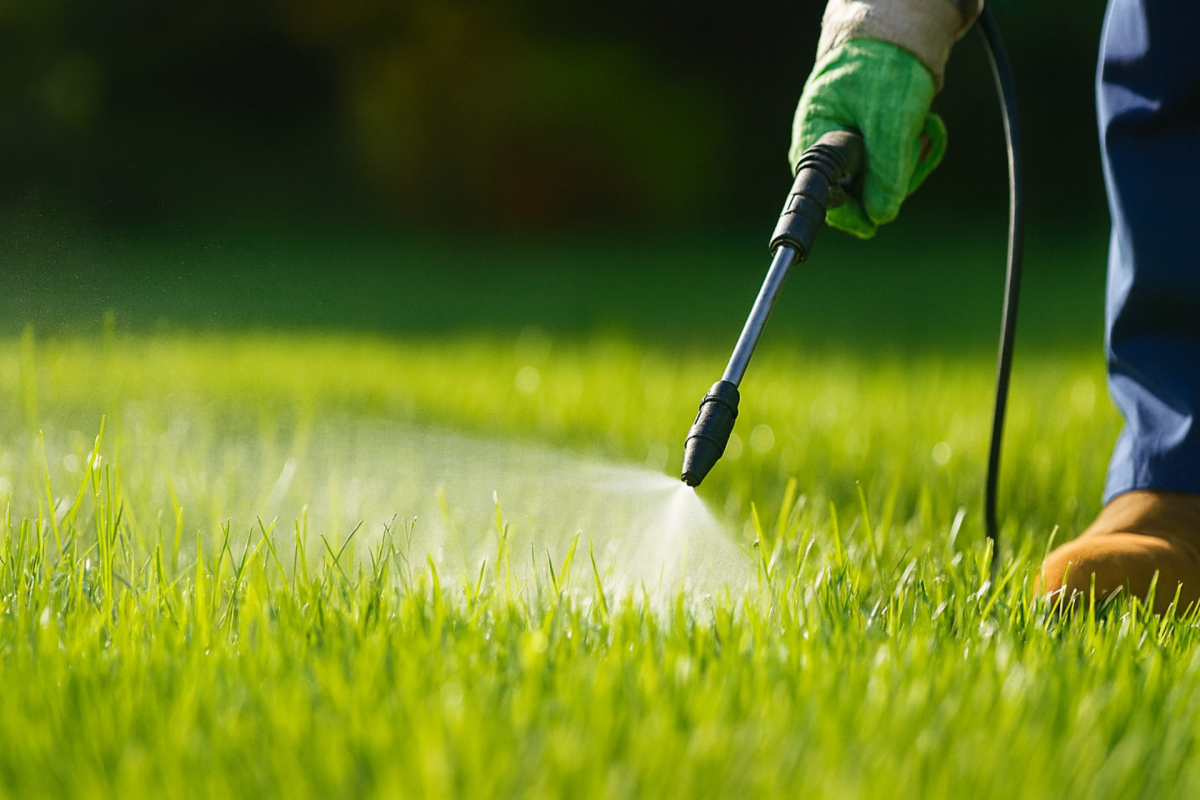
Application technique significantly impacts effectiveness. Pre-emergent herbicides must be distributed evenly across treated areas at proper rates. Insufficient coverage creates gaps where weeds establish, while excessive application wastes product without improving control. Professional application equipment ensures consistent distribution and accurate rates that maximize effectiveness while minimizing environmental impact.
Soil conditions at application time matter considerably. Pre-emergent products bond to soil particles and organic matter, remaining in the upper soil layer where weed seeds germinate. Proper soil moisture, temperature, and structure affect how products distribute and activate. Michigan’s fall conditions generally provide ideal circumstances for application compared to spring’s variable weather patterns.
Targeted post-emergent treatments eliminate existing perennial weeds during fall when plants actively transport nutrients to root systems for winter storage. Herbicides applied during this period move throughout plant systems, including roots, providing more complete control than spring treatments targeting actively growing foliage. Fall treatments prevent weeds from overwintering and re-emerging in spring, reducing the total number of applications needed annually.
Selective herbicides target specific weed types without damaging desirable grasses. Broadleaf herbicides eliminate dandelions, clover, and similar weeds while leaving turf unharmed. Timing these applications during mild fall temperatures when weeds actively grow but grass growth slows optimizes effectiveness while minimizing turf stress.
Integrated cultural practices support chemical weed control by creating conditions favoring grass over weeds. Dense, healthy turf naturally resists weed establishment by occupying space, intercepting light, and outcompeting weeds for nutrients and water. Fall overseeding thickens turf, reducing opportunities for spring weed germination. Proper fertilization strengthens grass, improving its competitive advantage.
Mowing height affects weed pressure significantly. Maintaining appropriate cutting heights—typically 3-3.5 inches for Michigan lawns—shades soil surface, reducing weed seed germination. Taller grass develops deeper root systems, improving drought tolerance and competitive ability. Many homeowners mow too short, inadvertently creating ideal conditions for crabgrass and other weeds.
Soil health management addresses underlying conditions that favor weeds over desirable grasses. Compacted soil, improper pH, nutrient imbalances, and poor drainage create stress conditions where weeds thrive. Core aeration relieves compaction, improving root development and water infiltration. Soil testing identifies pH and nutrient issues requiring correction. Addressing these fundamental problems reduces long-term weed pressure.
Regional Expertise and Treatment Protocols
Successfully preventing weeds in Southeast Michigan requires understanding local soil conditions, climate patterns, and common weed species. Clay-heavy soils throughout the region retain pre-emergent products differently than sandy soils. Professionals adjust application rates and product selections based on soil characteristics to optimize effectiveness.
Weather pattern monitoring allows for treatment timing adjustments. Unseasonably warm fall periods extend weed growth and require modified treatment schedules. Early cold snaps accelerate dormancy, shortening effective treatment windows. Experienced providers track these variables and adjust recommendations accordingly rather than following rigid calendars that may not match actual conditions.
Product selection requires technical knowledge and access to professional-grade materials. Many consumer products available at retail stores contain lower concentrations of active ingredients compared to professional formulations. Professional products often provide longer control periods and better effectiveness but require proper licensing and training for application.
Specialized Weed Control Services
Pre-emergent and crabgrass control programs combine fall and spring applications for comprehensive year-round protection. Fall treatments establish initial barriers while spring applications reinforce protection as soil warms. This layered approach provides more consistent control than single-application strategies, particularly in areas with heavy historical weed pressure.
Properties with persistent weed problems benefit from multi-year management plans that address both immediate control needs and long-term prevention strategies. These programs combine chemical treatments with cultural improvements, gradually reducing weed seed banks in soil while establishing healthier, more competitive turf.
Long-Term Prevention Philosophy
Effective weed management requires shifting from reactive control to proactive prevention. Homeowners who address weeds only after emergence spend more time and money while achieving less satisfactory results compared to those implementing preventive strategies. Fall represents the ideal time to establish this preventive approach.
Consistent annual programs deliver compounding benefits. Each year of effective prevention reduces soil seed banks, decreasing future weed pressure. Properties following comprehensive programs for 3-5 years typically see dramatic reductions in weed populations, requiring less intensive management to maintain weed-free conditions.
Taking Action This Fall
The window for effective fall pre-emergent applications remains open but will close as temperatures drop and grass enters dormancy. Homeowners who establish prevention programs now position their lawns for successful spring emergence without weed competition. Delayed action means missing optimal treatment timing and facing increased spring weed pressure.
For information about pre-emergent weed control programs and fall application timing, contact Independent Lawn Service at 734-600-9161 or visit independentlawnservice.com. Services are available throughout Livonia, Canton, Plymouth, Novi, Northville, and surrounding Southeast Michigan communities.

Contact Information:
Independent Lawn Services
12853 Levan Rd
Livonia, MI 48150
United States
Contact Independent Lawn Services
(734) 667-2476
https://www.independentlawnservice.com/

Original Source: https://independentlawnservice.com/media-room/


