

Key Takeaways
- Dizziness after exercise can stem from simple causes like dehydration or a drop in blood pressure, but it can also point to a neck-related problem called cervicogenic dizziness when neck pain or stiffness is also present
- Cervicogenic dizziness is considered a diagnosis of exclusion, meaning inner-ear, neurological, and cardiovascular causes should be checked first before pointing to the neck
- Watch for warning signs such as neck catches, reduced rotation, stiffness, or tingling and weakness in the arms after training, as these can signal a structural issue worth assessing
- Moderate-quality evidence suggests manual therapy may help reduce cervicogenic dizziness, cervical spine, and balance symptoms, and combining it with exercise therapy appears to produce an even stronger effect, though the quality of that combined evidence is very low
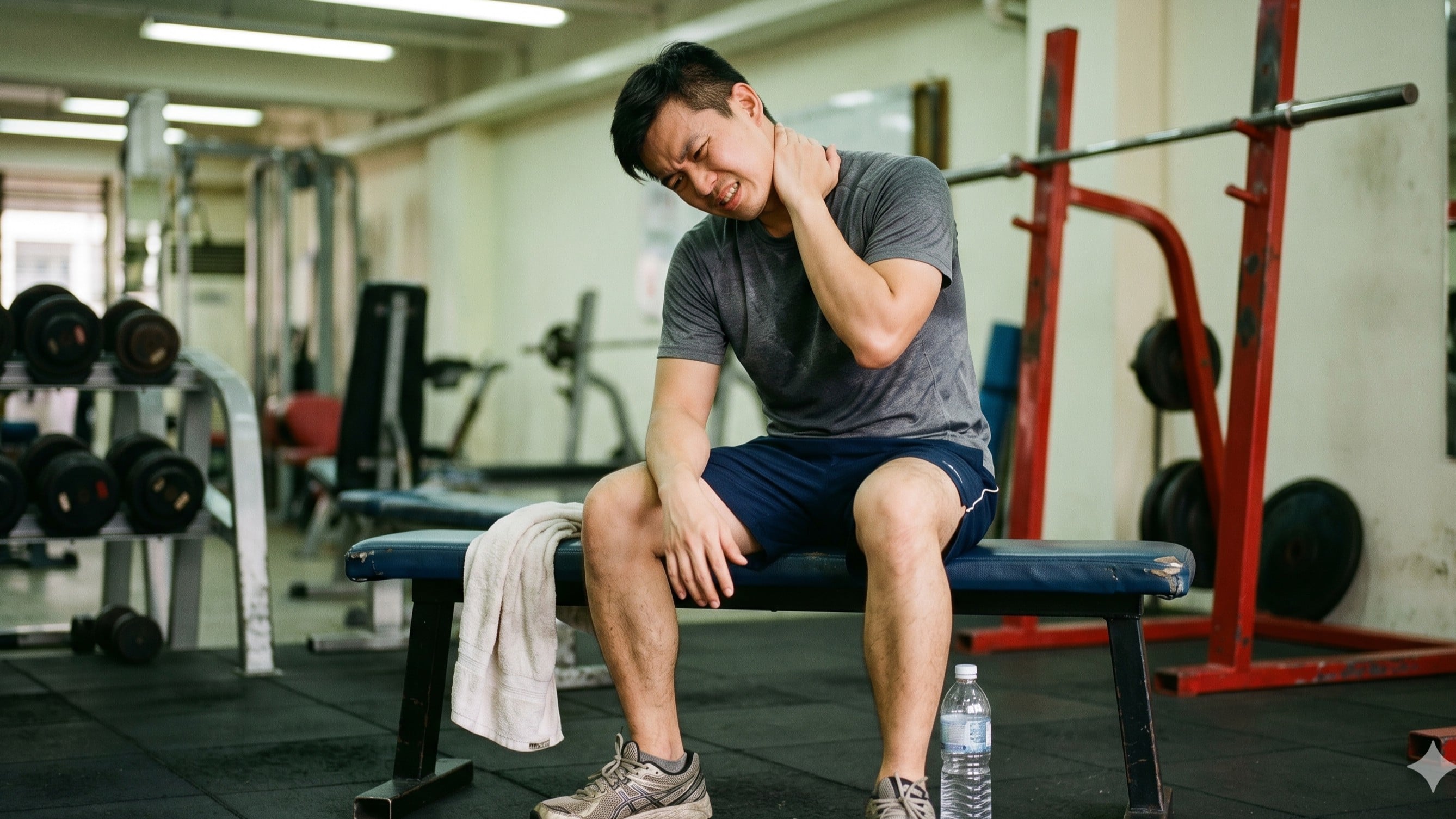
Feeling dizzy the morning after a tough session at the gym can be unsettling, especially when it comes with a stiff or sore neck. This symptom combination has several possible explanations, ranging from simple and easily fixed to something that deserves a closer look.
Why Does Dizziness Hit The Next Day?
According to Singapore experts at Dr. Neck Pain, dizziness does not always show up immediately after exercise. Sometimes it takes hours, or even until the next morning, for the body to signal that something was off during or after a workout. This delay happens because fluid loss, blood sugar dips, muscle fatigue, and tissue inflammation often build up gradually rather than appearing the instant a session ends.
A high-intensity workout such as Hyrox, CrossFit, or heavy weightlifting places real demand on the body’s recovery systems overnight. The muscles around the neck and shoulders may tighten up as they repair, and this stiffening process can continue well after the workout has finished. Understanding why the timing of dizziness varies is the first step toward figuring out what might actually be causing it, which the following sections dig into.
Common Culprits: Dehydration And Blood Pressure
Before looking at anything more complex, it helps to rule out the most common and straightforward explanations. Dehydration and blood pressure changes are frequently behind that floaty, lightheaded feeling that shows up after a strenuous workout, according to a consumer health resource from Healthline.
When Low Blood Sugar Or Blood Pressure Is To Blame
Intense exercise burns through glycogen stores and can cause blood sugar to dip, particularly if a workout was done on an empty stomach or after a long gap between meals. Low blood pressure can follow a similar pattern, especially when a session involved heavy lifting with breath-holding, rapid position changes, or significant sweating without adequate fluid replacement. These dips tend to cause a lightheaded, woozy sensation rather than a spinning one, and they often improve with rest, food, and rehydration.
Red Flags That Point Beyond Dehydration
Dizziness that keeps coming back, lasts longer than a day, or feels unusually intense is worth paying attention to. Healthline’s guidance notes that people with recurring symptoms should consult a healthcare professional rather than assuming it will resolve on its own. The same caution applies if dizziness appears alongside chest discomfort, severe headache, vision changes, or fainting, since these combinations suggest something beyond simple fluid or blood sugar imbalance.
When Your Neck Is The Hidden Trigger
For some people, dizziness after a workout has nothing to do with hydration at all. A session that involved heavy overhead presses, sled pushes, or sudden jarring movements can place real strain on the upper neck, and that strain can sometimes interfere with balance signals rather than muscle soreness alone. This pattern is often referred to as cervicogenic dizziness, where neck dysfunction contributes to a floaty or unsteady feeling. A sports-focused resource from Singapore’s Dr. Neck Pain Clinic describes this “post-Hyrox fog” sensation as dizziness or lightheadedness following a high-intensity session, which it notes is often mistaken for dehydration but may actually originate from balance-related structures in the upper neck.
How Neck Signals Can Disrupt Balance
The neck is packed with sensory receptors that constantly feed the brain information about head position and movement. A 2019 review in Archives of Physiotherapy explains that altered sensory input from the neck may disrupt how cervical, visual, and vestibular signals are integrated, contributing to a sense of disequilibrium. A separate 2020 narrative review in Drugs & Aging describes a similar mechanism, noting that impaired cervical proprioceptive input can affect how neck and vestibular information is combined, leading to perceived dizziness or instability. In simple terms, when the neck joints and muscles are not moving or sensing properly, the brain can receive mixed signals about where the body is in space.
Warning Signs After A Workout: Catches, Stiffness And Arm Symptoms
Certain post-workout symptoms deserve a closer look, particularly when they appear together rather than in isolation. These include:
- A noticeable catch or restriction when turning the head to one side after training
- Reduced rotation that was not present before the workout
- General neck stiffness that lingers beyond typical muscle soreness
- Tingling, numbness, or weakness travelling down the arm
These signs suggest the issue may involve more than ordinary muscle fatigue, and they are worth tracking over the following days rather than dismissing outright.
Ruling Out Other Causes First
Jumping straight to a neck-related explanation without checking other possibilities is a common mistake. Dizziness is a symptom with many potential sources, and the process of figuring out the right one matters just as much as identifying any single cause.
Why Cervicogenic Dizziness Is A Diagnosis Of Exclusion
Patient and clinician information from the Vestibular Disorders Association describes cervicogenic dizziness as dizziness occurring alongside neck pain, but stresses that this is considered a diagnosis of exclusion because no single test confirms it. A 2022 review in the Journal of Clinical Medicine echoes this, describing cervicogenic dizziness as non-spinning dizziness associated with neck pain or reduced neck mobility, while noting that other causes should be ruled out first. This means a proper assessment typically starts by eliminating other explanations rather than assuming the neck is responsible simply because pain happens to be present.
Inner-Ear, Neurological And Cardiovascular Checks
That same 2022 review notes that cervicogenic dizziness has no specific confirmatory test and should only be considered after central nervous system, cardiovascular, and peripheral vestibular causes have been examined. The Vestibular Disorders Association adds that assessment of suspected cervicogenic dizziness should include a thorough medical history and neck evaluation, since symptoms can closely resemble other dizziness disorders. It also notes that neck injury, including whiplash, can precede cervicogenic dizziness, but head or neck trauma may involve the brain or inner ear as well, so clinical assessment remains important rather than assuming the neck alone is at fault.
What The Evidence Says About Treatment
Once other causes have been reasonably ruled out and a neck-related pattern seems likely, several approaches have been studied for managing cervicogenic dizziness. The evidence varies in strength depending on the specific treatment and how it is combined with other care.
Manual Therapy And Neck-Focused Care
A 2022 systematic review in the Journal of Manual & Manipulative Therapy analysed 13 randomised trials involving 898 patients and found moderate quality of evidence that manual therapy reduces cervicogenic dizziness, cervical spine, and balance symptoms. A 2011 systematic review in Chiropractic & Manual Therapies similarly found moderate evidence supporting spinal mobilisation or manipulation for cervicogenic dizziness. A 2018 review in the same journal concluded that manual therapy is potentially effective for managing cervicogenic dizziness, but due to the heterogeneity of the results and techniques and the low number of studies, further research was recommended to provide conclusive evidence. That review also noted a gap in research comparing manual therapy against other conservative options, such as neck and shoulder stabilisation exercises.
Exercise And Vestibular Rehabilitation
Exercise-based approaches show a more mixed picture. The 2022 systematic review found that when manual therapy is combined with exercise therapy, the positive effect on cervicogenic dizziness, cervical spine, and balance symptoms is even stronger, but the quality of the evidence is very low. It also noted inconsistent results among the small set of trials specifically involving traumatic cervicogenic dizziness. The Vestibular Disorders Association describes vestibular rehabilitation as an approach that can be customized to individual assessment findings, potentially including eye, balance, and walking exercises, or graded exposure to movements that provoke dizziness. Conservative neck care, according to the same source, may also include gentle mobilisation alongside guidance on posture and neck positioning.
Everyday Steps: Rest, Posture And Gentle Movement
For general post-workout neck discomfort, a spine-clinic educational resource from Neurosurgery & Spine Consultants recommends a few practical steps:
- Resting the neck while allowing gentle, tolerable movement throughout the day to prevent stiffness from building up
- Paying attention to posture, both during exercise and afterward at a desk or on a screen
- Avoiding movements that sharply worsen pain, letting discomfort act as a guide
- Seeking medical evaluation if symptoms persist, worsen, or interfere with daily activity
That same resource also points to prevention measures worth building into a regular training routine, including keeping the neck in a neutral position during strength training, adjusting load when form starts to slip, and strengthening the muscles supporting the neck, shoulders, and upper back.
Getting The Right Diagnosis Matters Most
Dizziness after a workout rarely has one single explanation, which is exactly why a careful, step-by-step approach to figuring out the cause matters more than guessing. Dehydration and blood pressure changes remain the most common and often the easiest culprits to address, but when neck pain, stiffness, or reduced movement show up alongside the dizziness, a structural issue in the cervical spine becomes a reasonable possibility worth discussing with a qualified professional. Ruling out inner-ear, neurological, and cardiovascular causes first protects against misattributing a more serious condition to the neck, while also making sure that genuine cervicogenic patterns do not go unaddressed.
For anyone noticing this combination of symptoms after training, tracking what happens, when it happens, and how long it lasts gives any professional a much clearer picture to work from. Those investigating whether a recent strain, stinger, or jammed neck feeling might be connected to post-workout dizziness can find more detail on sports-related neck injuries to better understand the warning signs worth monitoring before deciding on next steps.
Dr Neck Pain
ask@drneckpain.com
+65 8138 6880
420 North Bridge Road
02-20 North Bridge Centre
Singapore
SG
188727
Singapore